
Insights: 5 Things I've Learned - Finisterre CMO Bronwen Foster-Butler
The art of leadership, knowing when to quit, and the importance of not letting your dream job become your self-identity, with Finisterre's influential marketing leader.
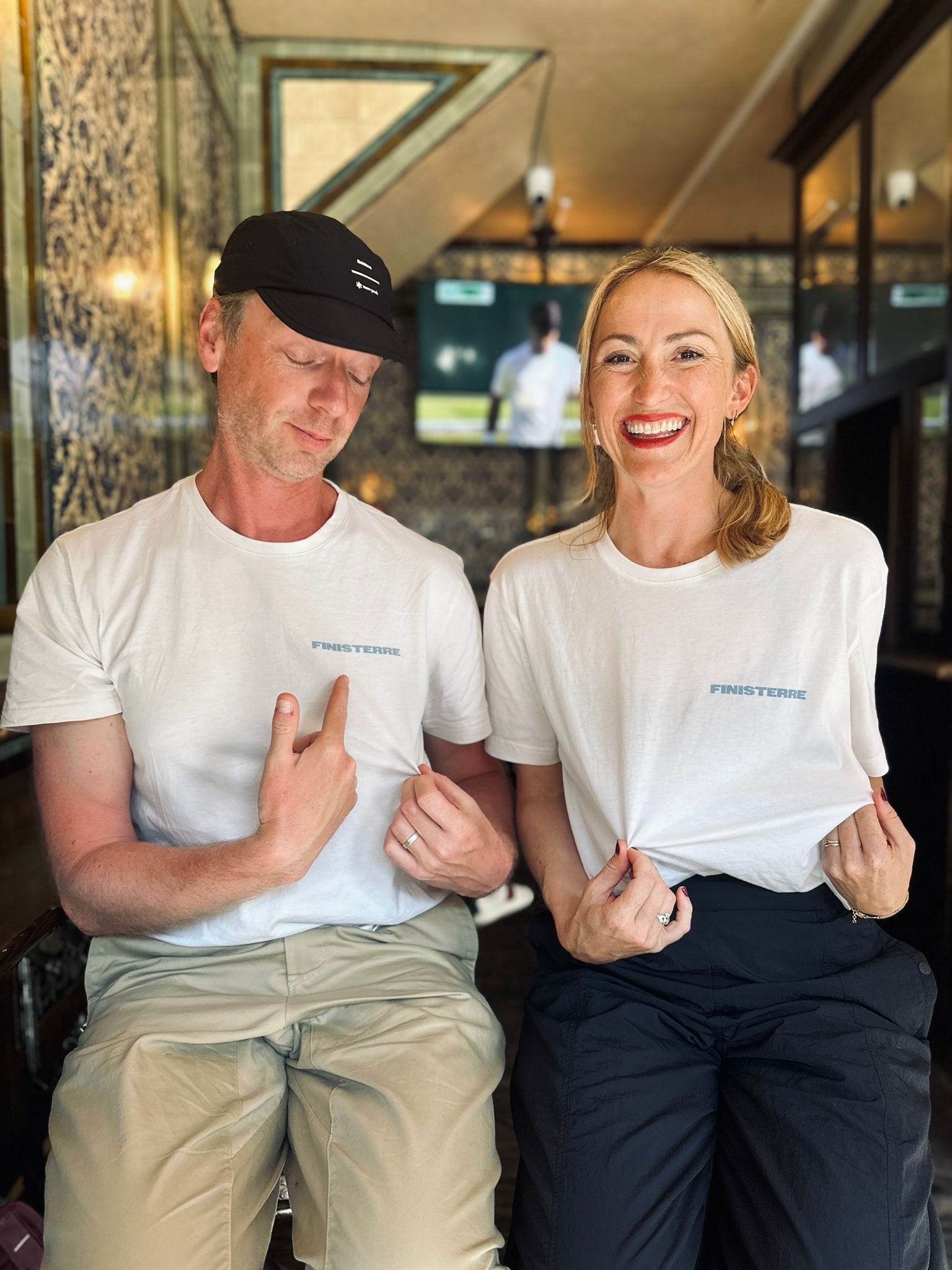
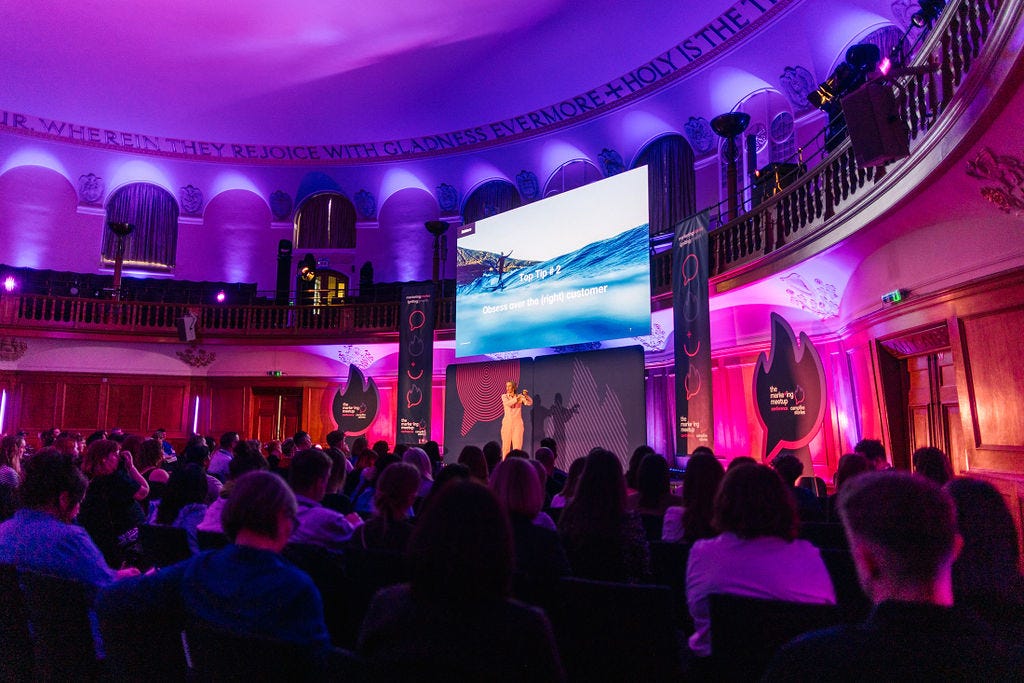
Over the last three years, I’ve been lucky enough to work closely with this week’s guest contributor Bronwen Foster-Butler; both through my work at All Conditions Media (Finisterre are one of our clients), and through some of the recent talks on marketing and activism I’ve been hosting at events like MADFest (above) and Kendal’s Outdoor Connections (below)
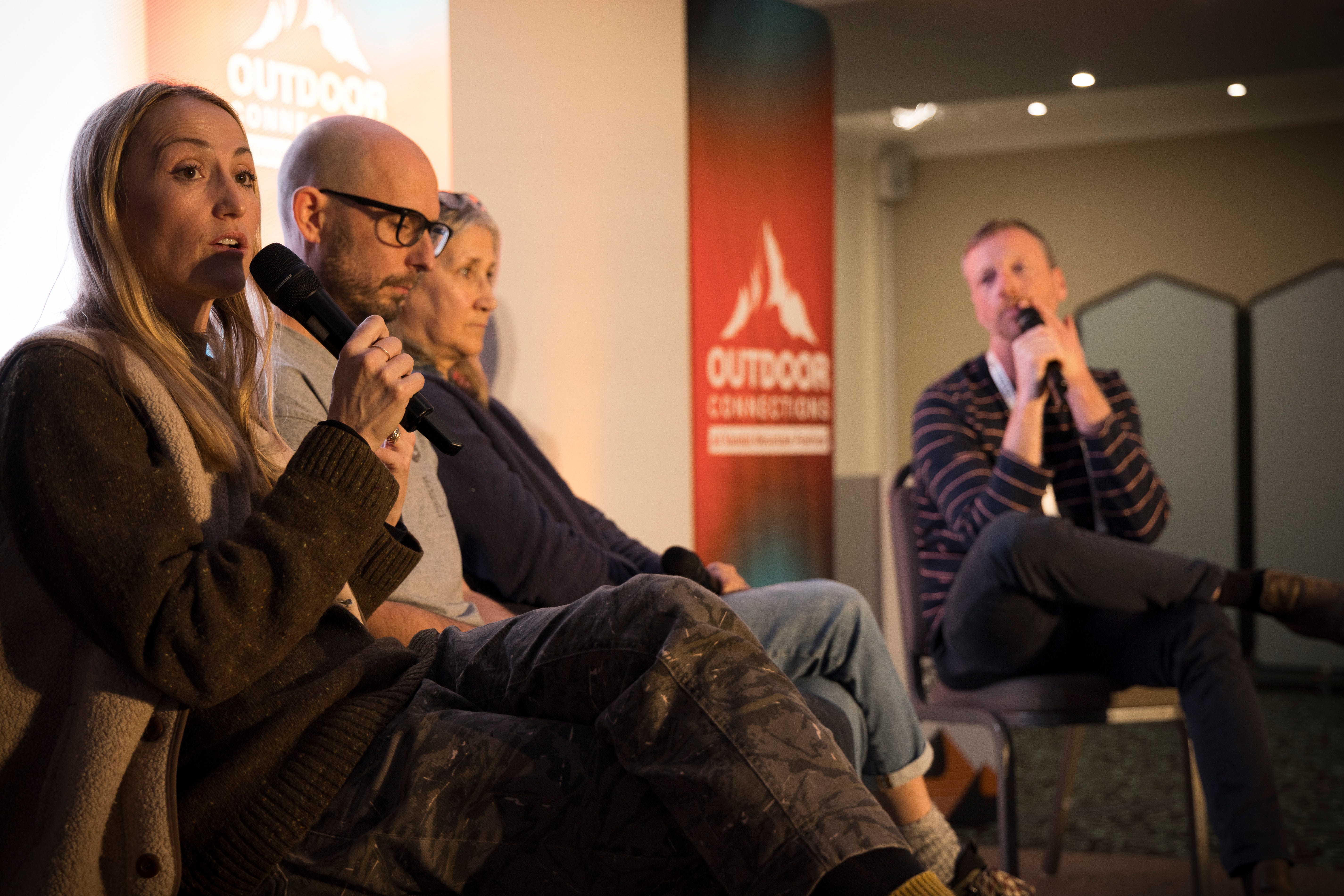
And during that time, I’ve learned a few key things about Bronwen.
Firstly, she doesn’t take this whole thing too seriously; a very important quality in an industry full of self-important, self-aggrandising Kool Aid drinkers.
Secondly, and perhaps most crucially, she’s incredibly good at her job. This might seem like a rather obvious point. But as you learn when you’ve worked with brands and marketing and PR types as long as I have, it is actually pretty rare.
(I wrote an entire piece about outdoor industry’s tendency to engage in vapid, uninspiring groupthink a couple of years ago, which you can read below:)

Thirdly - and related to the above point - Bronwen understands that any successful career, in any field, has a few universal elements in common.
Which is what she goes into today, and the piece you’re about to read contains some illuminating lessons from her time working with Finisterre, lululemon, Burberry and PANGAIA.
Hopefully, you can take these learnings and apply them to your own creative and work situations.
Insights is the Looking Sideways section, exclusively for my paid subscribing community.
It’s an absolute treasure trove of the - well - insights and wisdom imparted by over 250 Looking Sideways guests; as well as from the 25 plus years I’ve been making a living as a journalist, author, podcaster, business owner, mentor and speaker.
It’s where you’ll find exclusive blogs, podcasts, video chats, guest posts and articles all geared towards answering that two fundamental questions:
How can I spend more time doing the things I’m passionate about?
What does a ‘successful’ creative life actually look like?
Here are a few recent Insights articles to whet your appetite:


This week only - get full Insights access for only £32. It’s usually £65! Hit the button below….
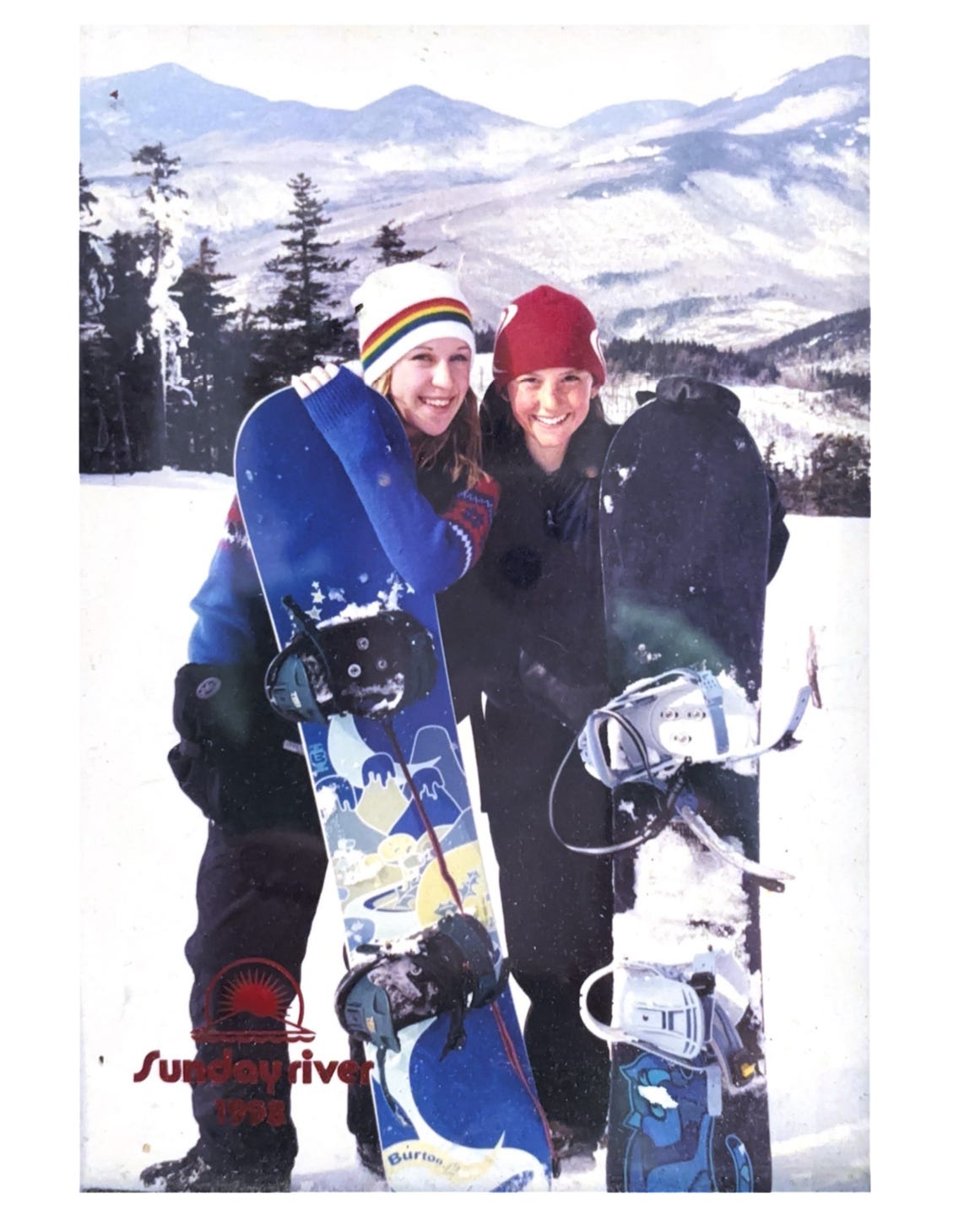
Before we get started, here’s how I got here. My first job was in the boot room of the rental shop at my local ski hill, Snow Valley, in Barrie, Ontario.
If you ask me, there is nowhere more exciting in a ski resort than a boot room. Why? Because the majority of people in there are about to try skiing or snowboarding for the very first time. And at Snow Valley, we had a LOT of beginners, thanks to the resort’s famous Discover Skiing and Snowboarding programmes. At one point, the resort boasted the biggest ski school in Canada, despite only having a vert of 85m and three chairlifts.
This experience taught me to appreciate being a beginner, and to respect anyone trying something for the very first time.
From the boot room, I eventually became a CASI Level 2 snowboard instructor, coaching at Whistler-Blackcomb, teaching with Roxy Freestyle women’s only camps, and volunteering with the Burton Chill programme.
At some point, I moved to the UK and spent over 21 years living and working in London. My marketing career began in ad-land, at JWT, the world’s first ad agency, before I moved client side with Burberry. I was Lululemon’s first European brand hire, and then helped build the material science brand PANGAIA.
I had a short stint at a beautiful yet flawed Russian brand called Voylok (we launched 10 days before Russia invaded Ukraine - now there was a harsh lesson in branding!), before finally landing at Finisterre, where I’ve been for the past three-and-a-half years. I now live full time in Devon with my family.
I’m still learning so much each day that it’s difficult to list out the things I’ve learned up to now. If you ask me next week, this list is likely to change. But for now, here are the six things I’ve learned along the way.
1. Don’t let your job become your identity
When I first joined Lululemon, I remember a few people saying, “You were born for this job”.
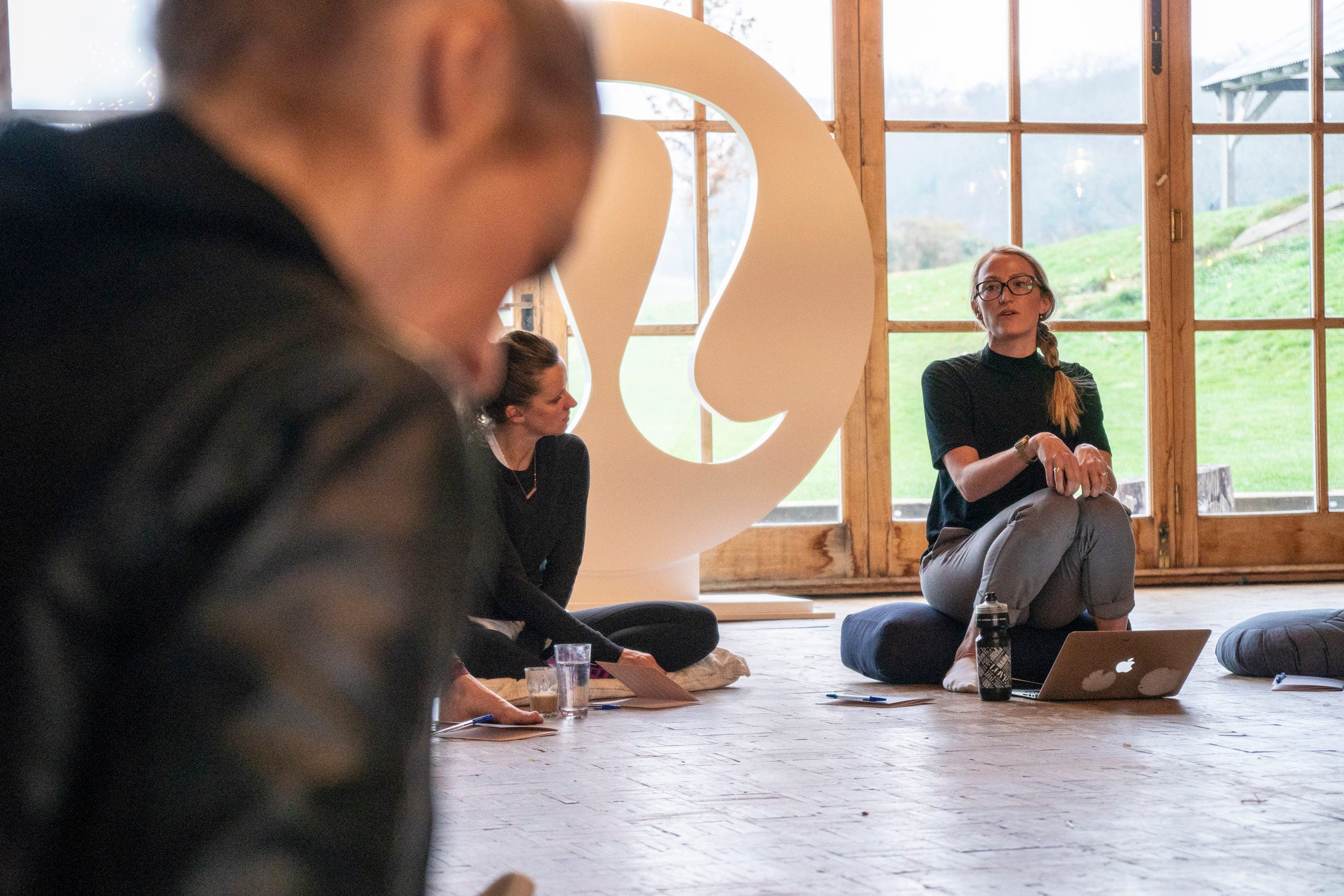
Well, I think I took that to heart. At Lululemon, we had a brand muse called Ocean, and my life so closely followed hers that I thought it gave me licence to treat the brand like it was my own. At the same time, and far more dangerously, I allowed myself to become the brand. For years, I felt I WAS the brand.
What did this look like in practice? When decisions were made at senior levels about the brand, I would take them personally. And when the time came for me to finally cut the cord leave, I felt as though I was leaving a part of my own identity behind.
“This is something I see a lot in outdoor and lifestyle brands. When the product is part of an activity or hobby you especially love, it’s all too easy to let the job become your identity, and to let your own sense of self-worth get caught up in this, too”.
In recent years, I’ve learned a lot from my Gen Z colleagues, but perhaps nothing more so than the importance of having boundaries. I love the work I do with Finisterre, and I love the brand. But at the same time, I’m still myself. I’m a terrible surfer, a proud Devon dweller (yes, I put the cream on first), and a sucker for pop culture, which means memes are my love language.

2. ‘Having it all’ isn’t a destination and means something different to everybody.
I think this is especially relevant to working mums, who are still essentially told that we simply cannot ‘have it all’. Or that ‘having it all’ means attempting to have a meaningful and rewarding career while also being a mother as defined by archaic standards.
This was something I really struggled with when I became a mother for the first time, because the societal archetype of the ‘Great Mum’ did not match up to my own experience or the way I wanted to live my life.
“This began before I even went on maternity leave, when I was told that I’d have to choose between a promotion and becoming a mother. And when I had the audacity to cut my maternity leave short and return to work early, there were plenty of opinions floated my way about how I was sacrificing my children’s well-being by putting my career first”.
Here’s the rub: I am a better mother because of my job. I’m also better at my job because I’m a mother.
For me, ‘having it all’ isn’t a destination. It’s about balancing my life each and every day.
3. Leadership isn’t about perfection
Early in my career, I thought that great leadership was something that I would attain, and it would be smooth going from that point. I’d have it nailed and then my own work could finish whilst I fearlessly led others forward.
Instead, what I’ve learned time and time again is that leadership isn’t something you ‘get’ once. It’s a daily practice. It’s about learning, unlearning, listening, experimenting, and then listening some more.
Every single day I think about what kind of leader I want to be, and I don’t always get it right.
“True leadership is knowing when you’ve fucked up and then figuring out how to go back and fix it: whether that’s a bad decision, a relationship, or trust”.
The leaders who inspire me the most are the ones who have got it wrong more than right, but who have cleaned up their messes along the way.
4. Allow others to contribute to your success
As a Leo, third-child, type-A personality AND millennial, I spent the first half of my career/life caring far too much about my own personal success and what others thought about me, and not nearly enough time asking myself what I could learn from others.
“What changed this picture? A great manager told me that I needed to stop being afraid of letting others contribute to my success – and that I would be far more successful if I did so”.
What this means for me in practice is understanding how to enrol others so that they are as excited and passionate about a project as I am.
It’s about stopping and listening – taking on other people’s opinions, thoughts, ideas, and experiences, and allowing them to make something even richer. Above all, it’s about recognising that my team’s success is my success.
5. As a leader, your job is to have the questions, not the answers
Related: for a long time, I thought that being in a senior position meant that I should be the one with all the answers.
That was until another great leader (the wonderful Duke Stump) taught me a simple lesson: that a leader’s job is to create the conditions for their team to thrive. Nothing else. What does this mean in practice? That you should be the person with the questions, not the answers.
It takes a lot of confidence to pull this off, and I still find myself stumbling into the all-too-easy trap of giving my team the answer rather than posing the questions.
But then I try again, and remind myself that asking the right questions will get a far better answer, each and every time.
Bonus! Know when to leave
No job has a set timeframe. Which is why you need to understand when it is time to move on. If you’re bored, and find you can do your job with your eyes closed, it’s time to move on. Yes - even if you love the brand or company!
In my case, I’ve found that staying too long can have profoundly negative impacts, whether that’s entitlement or discontent; or, in the worst case, toxicity and poor health.
“I’ve stayed too long in two of my jobs. In the first instance, I spent the last year in my role feeling frustrated and underappreciated. In the second instance, it meant that I ended up on medication and in therapy”.
Your body will tell you when you’re done – listen to it.
Enjoy the Insights piece? Anything resonate? Let me know using the button below!
So much of that resonates with me. Great article
She is one of the greats. Love to see her at KMF and read more here.