
Insights: 5 Things I've Learned - Db CMO Jon Weaver
How to make your workplace your creative outlet, with the Db marketing honcho and industry stalwart.

I go back a long, long way with this week’s guest contributor Jon Weaver.
He’a a dear friend, and also one of the few absolutely trusted people I go to for advice about my own career and creative pursuits.
Maybe it’s because I think there are a lot of parallels in the way we’ve approached our own careers, both of which have been varied and, to put it mildly, multi-faceted. (Incidentally, I believe this is the reality of most creative careers, especially in our industry)
But I also think it’s because we share the view that ‘creativity’ is about problem-solving, and it can ultimately mean whatever you want it to.

And that’s one of the things I’ve always admired about Jon. Whatever situation he’s in, he’s found a way of turning it to his advantage so he can continue to follow his creative interests and instincts.
Sure, this has led him to independent creative endeavours such as his Anti-Blueprint Project books, or his brilliant Substack, in which he analyses brands and marketing campaigns.
But it’s also mainly evident in the work he and his teams produce under his leadership and direction. Look at Db’s recent creative ad campaigns, for example. Or the Pack Heavy Chase Light book, above.
Or the Db Fund, a project I’ve collaborated with Jon on for the past four years.

This is also the reality of the creative life for most of us: we have to carve out of own opportunities for creative expression based upon the circumstances at hand. The workplace is an absolutely key part of that.
It’s why I enjoy the continuing intellectual challenge of running my agency All Conditions Media; fundamentally, as I have said elsewhere, I see this as a creative process as much as it is an entrepreneurial one.

As you’ll see when you read this piece, such creative pragmatism has also been the foundation of Jon’s career. As such, the learnings he shares here are so pertinent to anybody looking to make the most of their current situation, or find fulfilment in their own working life.
This ‘creativity is where you find it’ ethos is at the heart of Jon’s career, and is what I asked him to explore in this Insights piece.
Insights is the Looking Sideways section, exclusively for my paid subscribing community.
It’s an absolute treasure trove of the - well - insights and wisdom imparted by over 250 Looking Sideways guests; as well as from the 25 plus years I’ve been pissing about for a living as a journalist, author, podcaster, business owner, mentor and speaker.
It’s where you’ll find exclusive blogs, podcasts, video chats, guest posts and articles all geared towards answering that two fundamental questions:
How can I spend more time doing the things I’m passionate about?
What does a ‘successful’ creative life actually look like?
Here are a few recent Insights articles to whet your appetite:


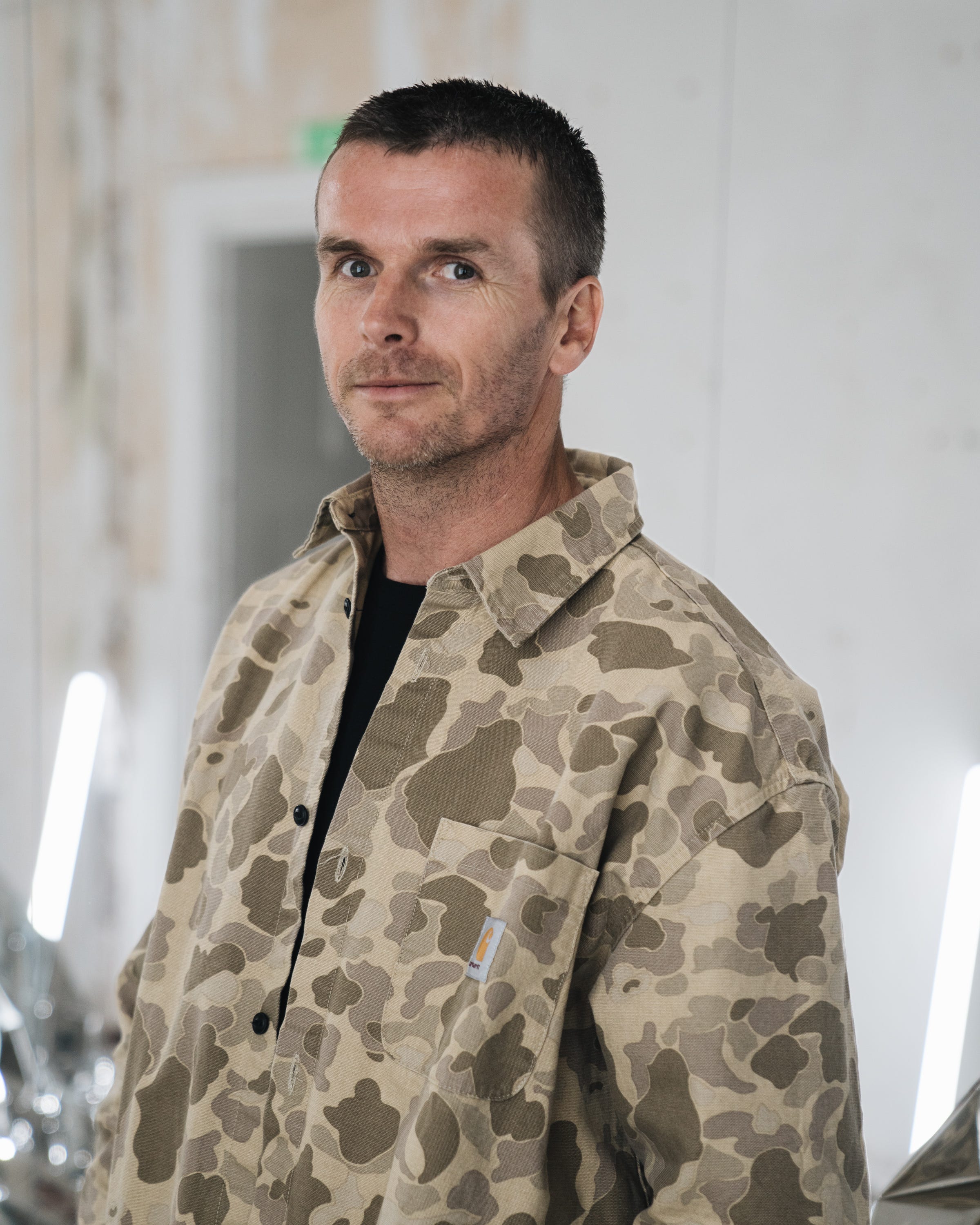
Matt asked me to write this piece and it instantly got me thinking back over the last 20 years - what I wish I’d known earlier, and what things I need to constantly remind myself about.
To set the stage: I currently work with Db leading the marketing team. Before this, I worked at Nike on the brand side across football, the womens’ category, training, and snowboarding. My career proper started even earlier, at Burton Snowboards in Innsbruck.
Along the way, I've always had things going on the side: writing for Whitelines for Matt, making videos, writing my book The Anti-Blueprint Project, building drinks brand ūmmi Kombucha with some friends, and now writing a Substack exploring how brands grow.
Here are five things I’ve learned during that time. I hope you find them useful!
1. Learn to speak in public
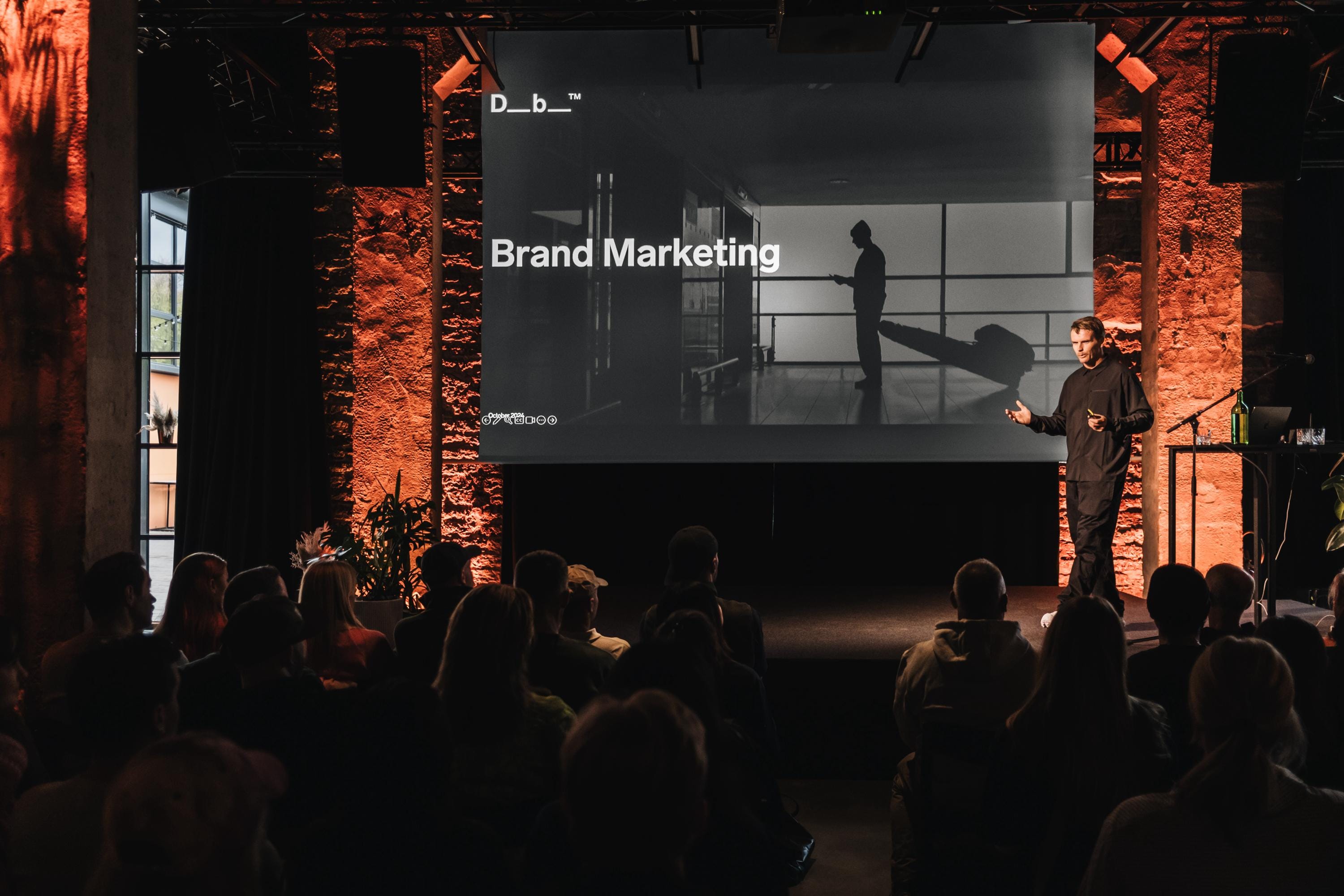
Now that I have kids, I try to show them that there's nothing to fear when it comes to speaking in front of others. It's one of the greatest career accelerators I know - especially once you're in a large or growing company. The ability to convey your ideas clearly, and to get others to believe in what you're saying, is a huge advantage.
It's the same in sport: the great managers in football are usually the ones who can get others to believe in their ideas. So start as soon as you can, get comfortable with it, and keep honing the skill.
And while we're on it: keep learning in general. Keep thinking about what skills you could pick up or master. Last year I took on our digital business for a few months, and I'll happily admit I was a total rookie in that regard.
But I loved learning all about digital marketing - something that wasn't even around when I was at university.
Damn, I sound old.
2. Figure out how you work best and create your schedule around that

One thing I only realised about five years ago is that I work really well from around 5:30am–8am: before the house wakes up, before people start texting and calling, and before I start overthinking.
I find this time incredibly valuable. I'll usually try to get an hour or so of work done then, and I'm always surprised at what I can achieve in that focused hour versus a whole interrupted day.
The challenge - especially if you're required to work strict office hours - is finding a way to build a schedule that allows for this flexibility.
But with good communication, you can do it, as most people prefer productive teammates over people who are just ‘there’.
3. You work for a boss, not a company

It sounds like a cliché. But if you have a boss that cares, that stage of your career will feel way more rewarding- and chances are, more successful - because they're invested in getting the best out of you.
Sure, the company name looks great on the résumé. But for personal growth, it's always about the person you work for.
That usually means someone who is not trying to prove too much, who is comfortable in themselves, who knows what's going on behind the scenes in your life and, importantly, will give you a chance.
I've been lucky enough to work for a couple of amazing bosses. One in particular stands out - she was the person who gave us the news that Nike was shutting down the snowboarding department, which at the time was obviously devastating.
It would have been easy to resent her for that, but I can tell you: all the people affected by that move would still have run through a brick wall for her the next day, such was our admiration for her leadership style.
4. Focus on a couple of things

At any company, there's always a lot going on: fires to put out, drama to deal with, actual work that needs shipping.
Ultimately, you need to prioritise what makes a difference for you and the company. An exercise I’ve found useful in this regard (and what I often say to people who are struggling) is to ask myself the following question: how much of what is occupying your day would make your CV?
I’m willing to bet: not much. So think about the one or two things you’d put on your CV or LinkedIn in five years time, and own those things. Make them the most successful thing you do.
I had a period at Nike where I really struggled with this. Every year my feedback basically said ‘He’s a really nice guy, always helping everyone’ - which is code for ‘he needs to own something’.
Two things helped me shift:
a) I read Essentialism by Greg McKeown, which contains an amazing piece of advice. If you keep getting asked to take on more projects and you've hit capacity; the next time your boss asks, you say: "Yes, of course I can help - which of my other eight priorities should I drop to make space for this?"
That was a lightbulb moment for me. Now, I always prefer someone to help me think in terms of priorities instead of just letting projects slip. That's something I tell my team today.
b) I searched for an unloved category at Nike to own. That ended up, quite randomly, being sports bras and tights.
For a couple of years I could tell you more about bra support levels (depending on the workout) than anyone else on the brand team.
At one point we were doing insights work and I even brought in Joe Carlino (who made the snowboard movie Never Not for Nike) to help out, which was a fun full-circle moment.
But most importantly, it gave me a project I could own and push forward, which was hugely beneficial to my career in the long run.
5. Create momentum—and make your boss look good from it
Think about a football team going through a tough patch. Sometimes commentators say: "Just stop the bleeding." Tighten the defence, then start scoring.
I find the same applies to marketing: get a couple of small wins under your belt, share them with your team, and let momentum build. Momentum breeds momentum. Before you know it, you're achieving big things.
People often think brands or companies need to make massive splashes. Yes, sometimes you do. But it's like basketball: everyone remembers Michael Jordan's game-winning shots; but they forget the other 32 points he scored that night to give the Bulls the chance to win in the first place.
Building a successful work environment for you and your peers is about stacking wins and building momentum - or creating ‘a snowball effect’, as I call it on my Substack - until the whole thing is flying downhill with unstoppable velocity.
As you get wins, as you hold events, as you deliver results; keep information flowing to your boss. It could be a weekly recap email, or a monthly update at an All-Hands. It might feel like boasting, but most of us forget to mention the everyday things that actually matter.
And remember: your boss has a boss too, so make their life easier by giving them good stories to share upwards. A quick story: we once did an event in London with Phil Young - epic training, great vibe. Afterward, everyone went to the pub. Around 1am, Joe Carlino sent over a three-minute event recap he'd already edited together. The whole pub went nuts watching it.
That's how you build momentum and keep the energy alive. Whatever format you choose - weekly update, monthly recap - set a rhythm and stick to it.
Bonus! Earn a job, don't apply for a job
Often I see people spending their time complaining. Why they don't I have a certain role? Why aren't I getting paid more? If you let them, they'll drain hours of your day with this talk. So you can only imagine how full of this their own days are.
But the reality I've found is this: the best way to get a new role - or earn a promotion - is to step up and take on new tasks outside your usual remit so that people see you as the person who owns that thing.
As an example: when I started at Burton, I was an intern for 9 months, maybe even a year, on €600 a month. Was it fairly paid? No. Was it a great way to get my foot in the door and earn experience? 100% yes. I turned that role into the European Marketing Manager position by organising a few events, managing some team stuff, and building it into something much bigger.
I've had similar experiences at Db. Before I was CMO, I had already taken on the responsibility of leading the marketing team. Not in terms of title or pay - I just stepped in because we saw a gap, and a chance to help the business move forward by moving the current marketing lead into a more strategic role, and then I had an opportunity to prove I could lead.
I know these days there's more of a culture around demanding what you feel you deserve - and yes, everyone should fight for their package. But I'd always rather work with someone who's picking up slack and owning things, rather than with someone who's spending their energy complaining.
At the end of the day, every boss has too much on their plate. Ask them: "Where do you need help? What information, recaps, decks, research do you need?"
Chances are, there's something they want to get to but don't have the bandwidth. That's where you can step in.
I hope you found this useful! My DMs are always open on Substack, LinkedIn or Instagram if you have specific questions.