
"The Southbank Centre Was the Enemy" - Wig Worland On Why He Isn't Supporting The Southbank Centre's Skate 50 Exhibition.
Who gets to tell the stories that shape our collective history?

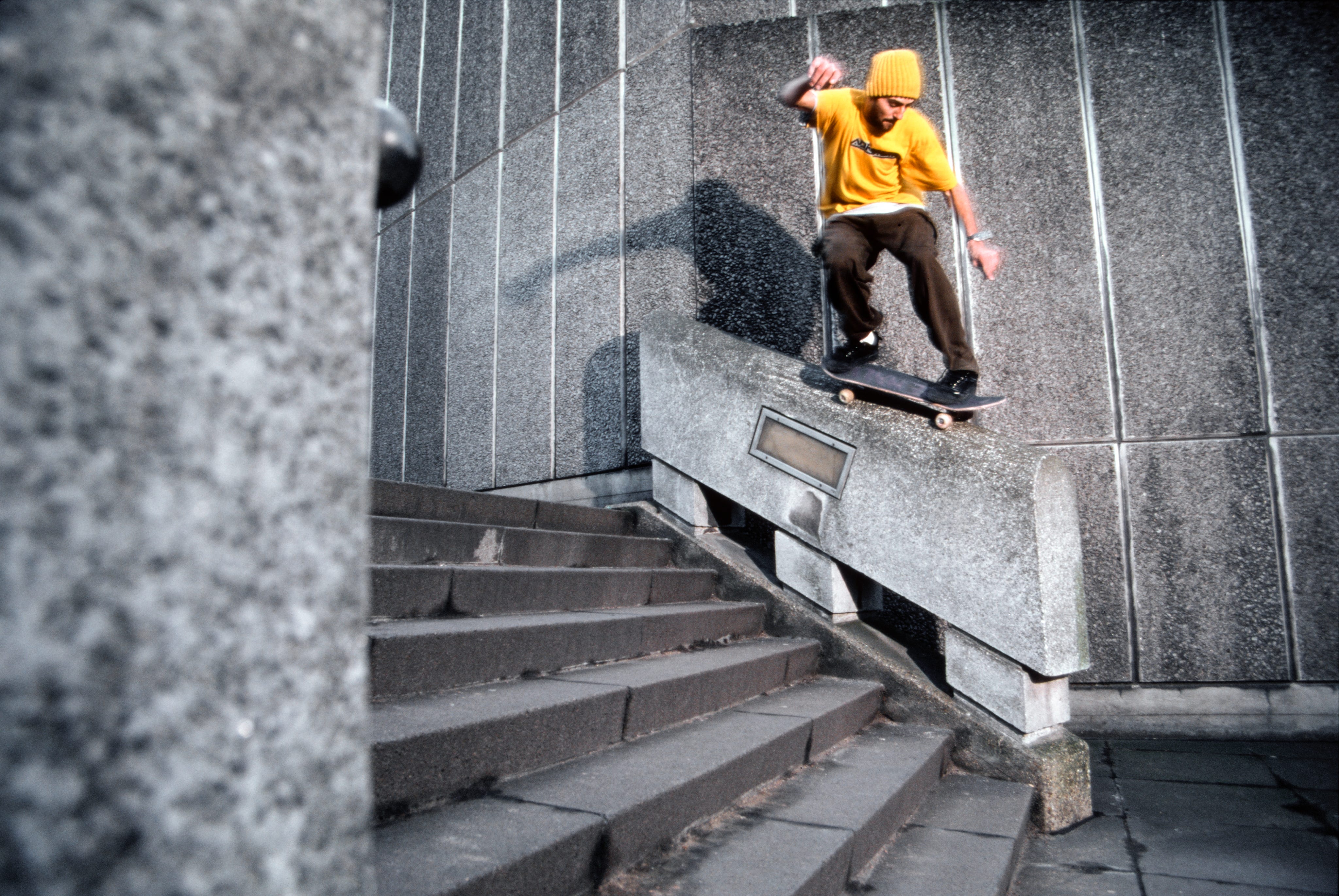
(Intro by Matt)
Who gets to tell the stories that shape our history? Looking back, this question has been the defining one of my weird little career in action sports journalism. It goes back to the era in which I grew up, the 80s and 90s, when these pursuits were genuine subcultures, and participating in them and caring about them was a way of defining your life and your own values.
That state of play never remains constant, of course: age, the passage of time, and the ongoing evolution of cultural trends see to that. But it remains a question worth asking, especially when it comes to skateboarding, surfing and snowboarding, which have always attracted outside interests keen to borrow their credibility without really understanding (or caring about) the impact this borrowing inflicts on the lender.
This is why I’ve been fascinated by the story of snowboarding in the Olympics for the best part of 20 years, and why I recorded a three-part special on snowboarding’s relationship with the Olympics earlier this year, including this relevant discussion with Lesley McKenna:
And it’s why, more recently, when legendary skate photographer Wig Worland posted an Instagram thread about his issues with the current exhibition at the Southbank Centre, celebrating 50 years of skateboarding in the undercroft, I was immediately interested. Not just in the exhibition, but in the questions it raised about who was telling that story, and why.
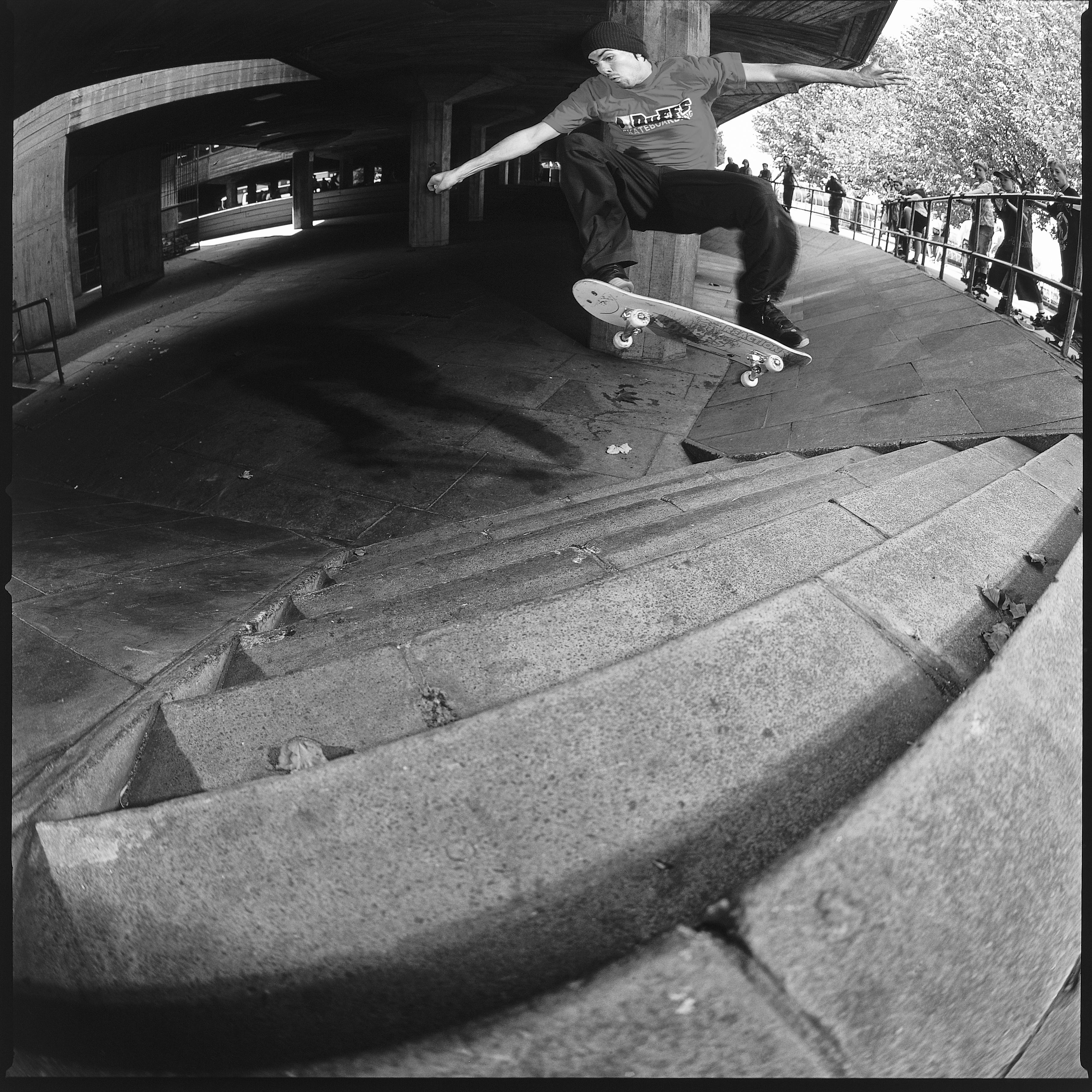
Personally, I go back a long way with Wig. We first met in the late 1990s, when I was running Whitelines snowboarding magazine with Ed Leigh, Chris Moran, Chod Thomas and Nick Hamilton. We’d loosely hang out when I was in Abingdon working on the magazine, or at Permanent Publishing’s legendarily messy Christmas parties.
To be honest, I was always slightly intimidated by Wig and the rest of the Sidewalk lads. I had the feeling they thought us ‘snowboarding goons’ (to use Andy Horsley’s memorable coinage) were a bit wet. But as the years have passed, that shared history has become the basis of a mutual respect and friendship.
And at this point, Wig is one of the most important and influential figures in UK skate history (as much as he would hate to be described as such). That’s why I’ve interviewed him for Looking Sideways twice (that’s our latest conversation below), and which is why when he takes the time to opine about something like the Southbank exhibition, he is very much worth listening to.
There will always be detractors to the counterpoint Wig puts forward here, the ‘old man shaking his fist at clouds’ trope. I get it. And as Henry Edwards-Wood (one of the originals behind Long Live South Bank) put it to Wig, in a conversation around these issues that informed the piece you’re about to read, ‘tomorrow some kid will roll into the undercroft and begin a skateboard adventure I’ll never know about. One of a million threads the place itself has created’.
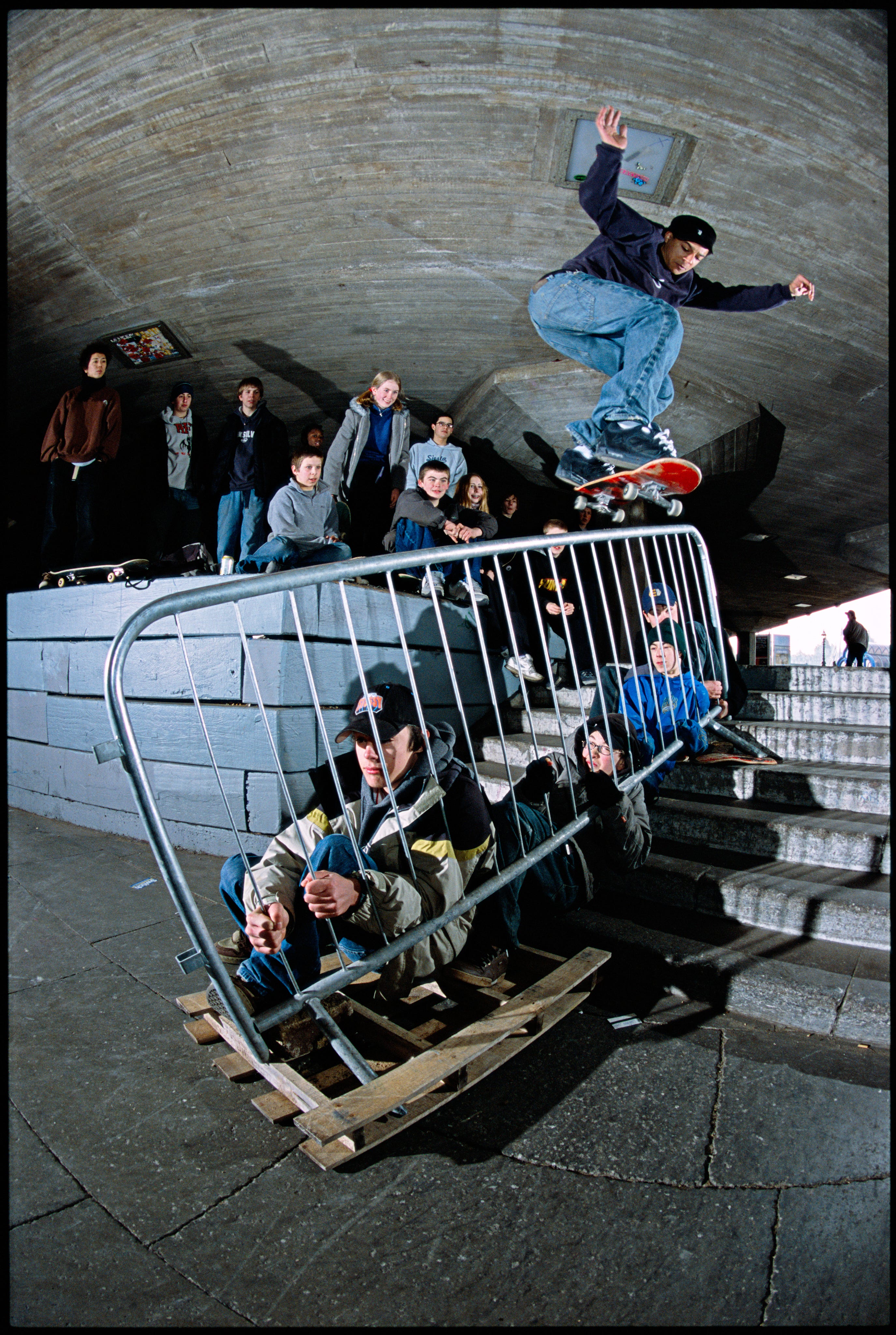
But these are questions worth asking precisely because of that kid. Because a story as sophisticated, nuanced and important as the history of skateboarding at Southbank deserves to be told honestly, even if that involves reckoning with some uncomfortable perspectives.
That’s really the entire ethos behind what I do with Looking Sideways. To encourage consideration of that simple question: who gets to tell the stories that shape our history?
It’s the spirit in which I publish this piece. And that’s the spirit in which I invite you to read it.
Over to Wig:
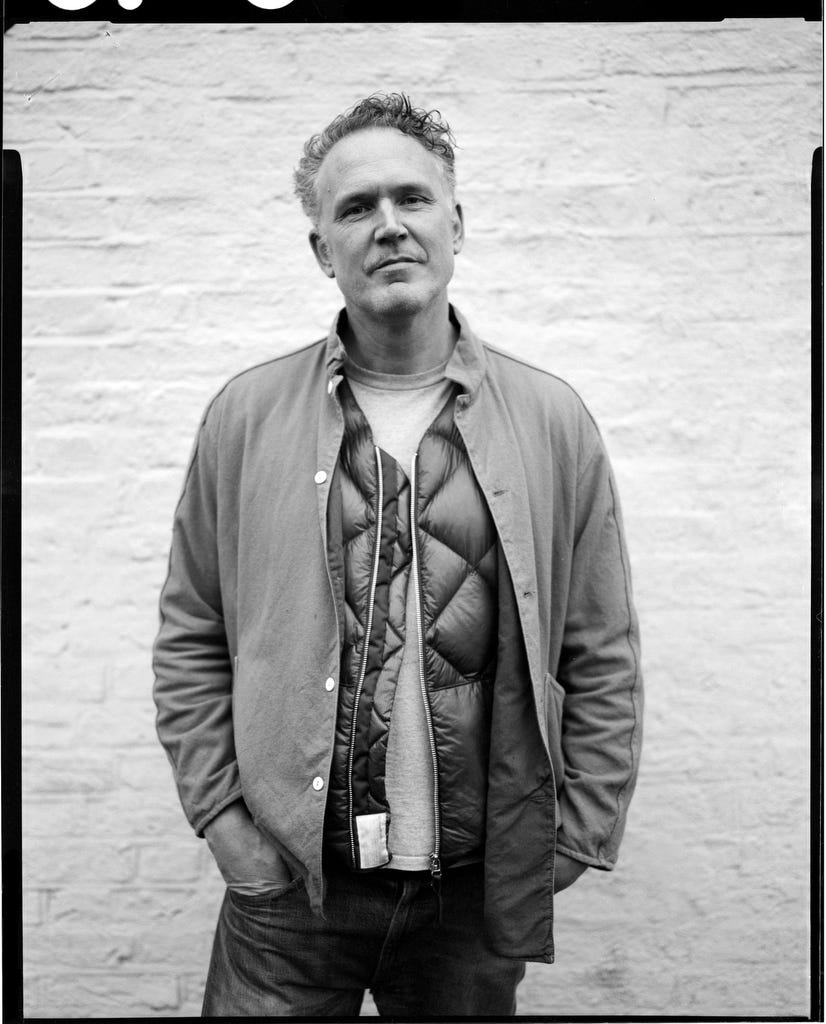
In the summer of 2026, the Southbank Centre celebrated the 75th anniversary of the Festival of Britain, the event that brought most of the Centre’s buildings into being. Alongside this, they also wanted to mark the 50th year of the undercroft, or ‘Skate Space,’ as they now prefer to call it.
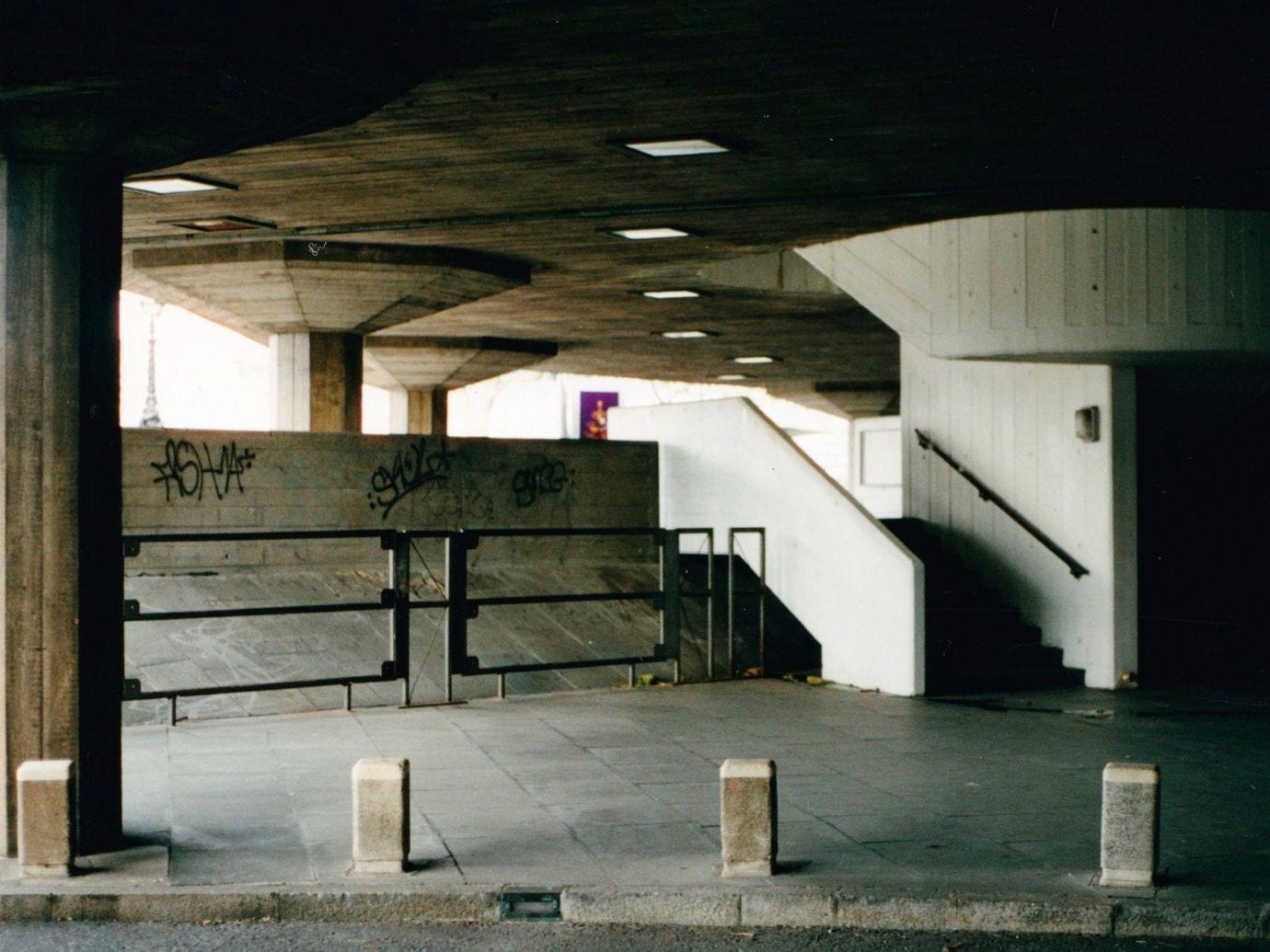
After much consideration, I decided I’d have nothing to do with the exhibition itself. Not because the ‘Skate Space’ meant nothing to me, but because this was the same Southbank Centre that had spent most of the previous 50 years trying, in various ways, to shut the space down.
For most of my life, the Southbank Centre has been the villain: casting stones, turning out the lights, building barriers, incrementally taking the space away, attempting to relocate it entirely, and then taking money off the community in order to ‘give’ the space back to them. I couldn’t let them use my work to celebrate their relationship with skateboarding without some serious questions being asked about the reality of this history as I and others experienced it.
So here, in an exhibition space on the World Wide Web with our own audience, is my story, my timeline of Southbank history. (And no, I will not be referring to it as anything other than that from now on).
In the mid-to-late 1980s, when I first encountered the Southbank, yes, on my skateboard, with friends (both hard to imagine these days), not only were the lights switched off in the undercroft at night, but staff from the Centre would regularly throw stones across the floor to stop the skateboarding. It was lo-fi, but pretty effective.
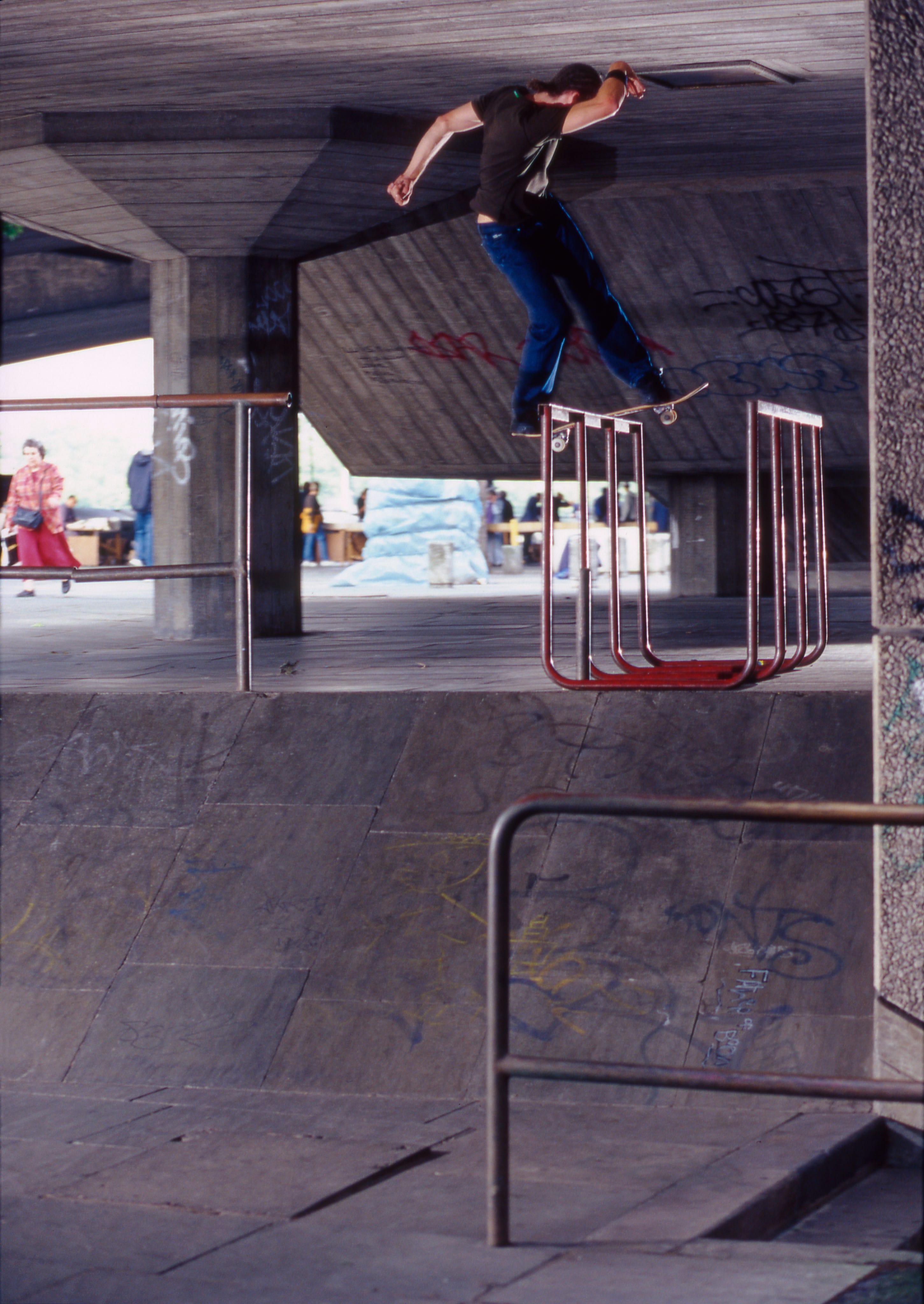
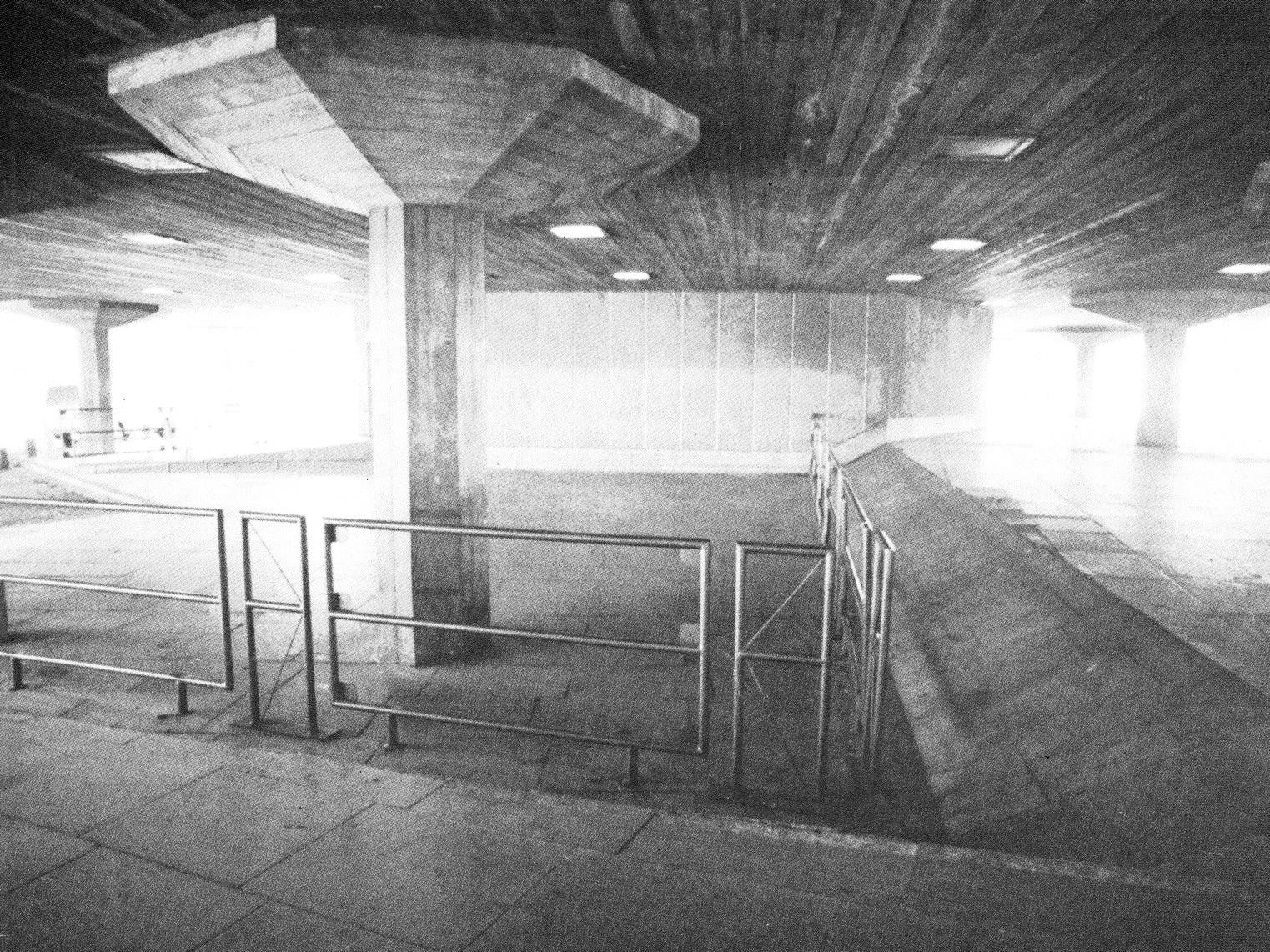
When the skateboard problem persisted into the early 1990s (around the time Gonz visited with Spike Jonze while filming Video Days, above) the Southbank Centre erected barriers at the bottom of the small banks (see pictures) and at the bottom of the bank-to-wall.
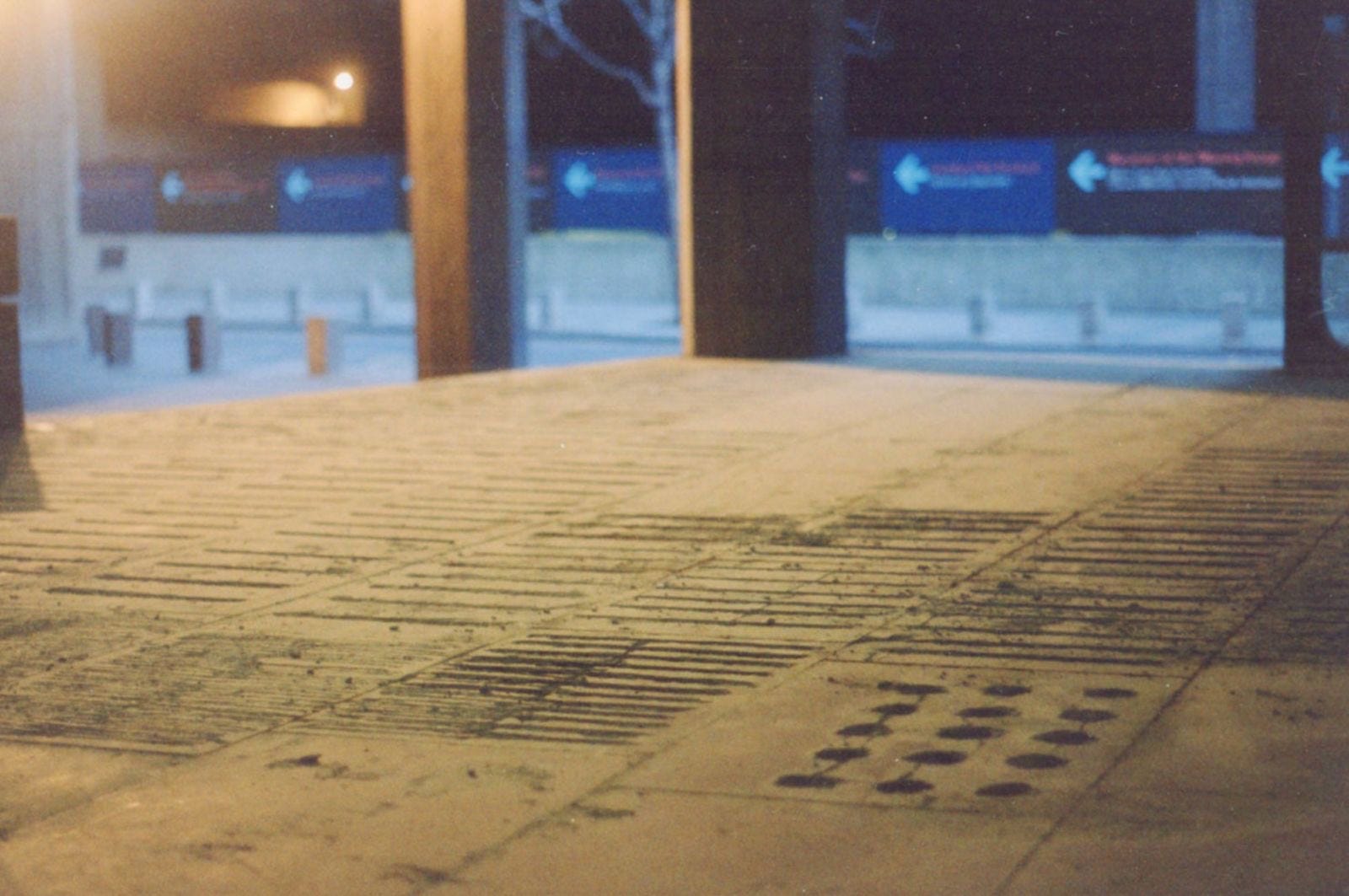
The ‘Driveway’ had pebbles concreted onto it, and the paving slabs at the back of the undercroft had lines jackhammered into them.
Some skateboarders with enough ability (like Carl Shipman, above) showed their creativity by treating these new additions as skateable objects. But would any of this behaviour be considered inclusive or worth ‘celebrating’ today? I have my doubts.
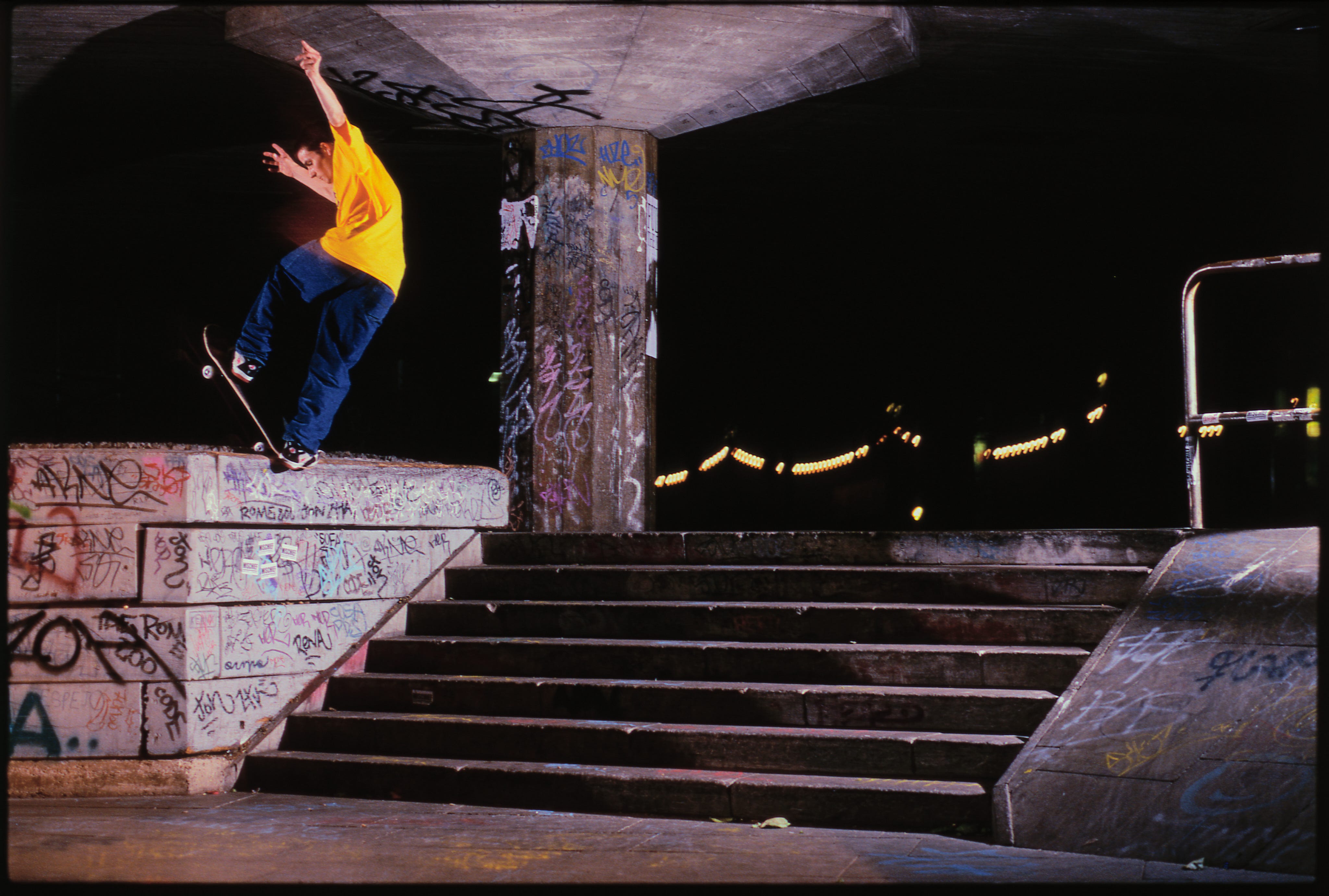
This period was my most active documenting the (skateboard) culture at Southbank, as I was a full-time photographer for a monthly magazine. Back then, extra lighting was essential in dark environments like the undercroft, and I would regularly be hassled by security, less for the photography than for the lighting stands themselves. Odd-looking electronic devices in unusual positions in a public place, I suppose. But at the time it felt like harassment, and looking back, it feels like the deliberate prevention of the cultural documentation that the current exhibition seeks to celebrate. So there!
In 2004, the Southbank Centre closed off large sections of the undercroft, giving reassurance that the closure was temporary. At the same time, the first ‘skateable sculptures’ were installed.
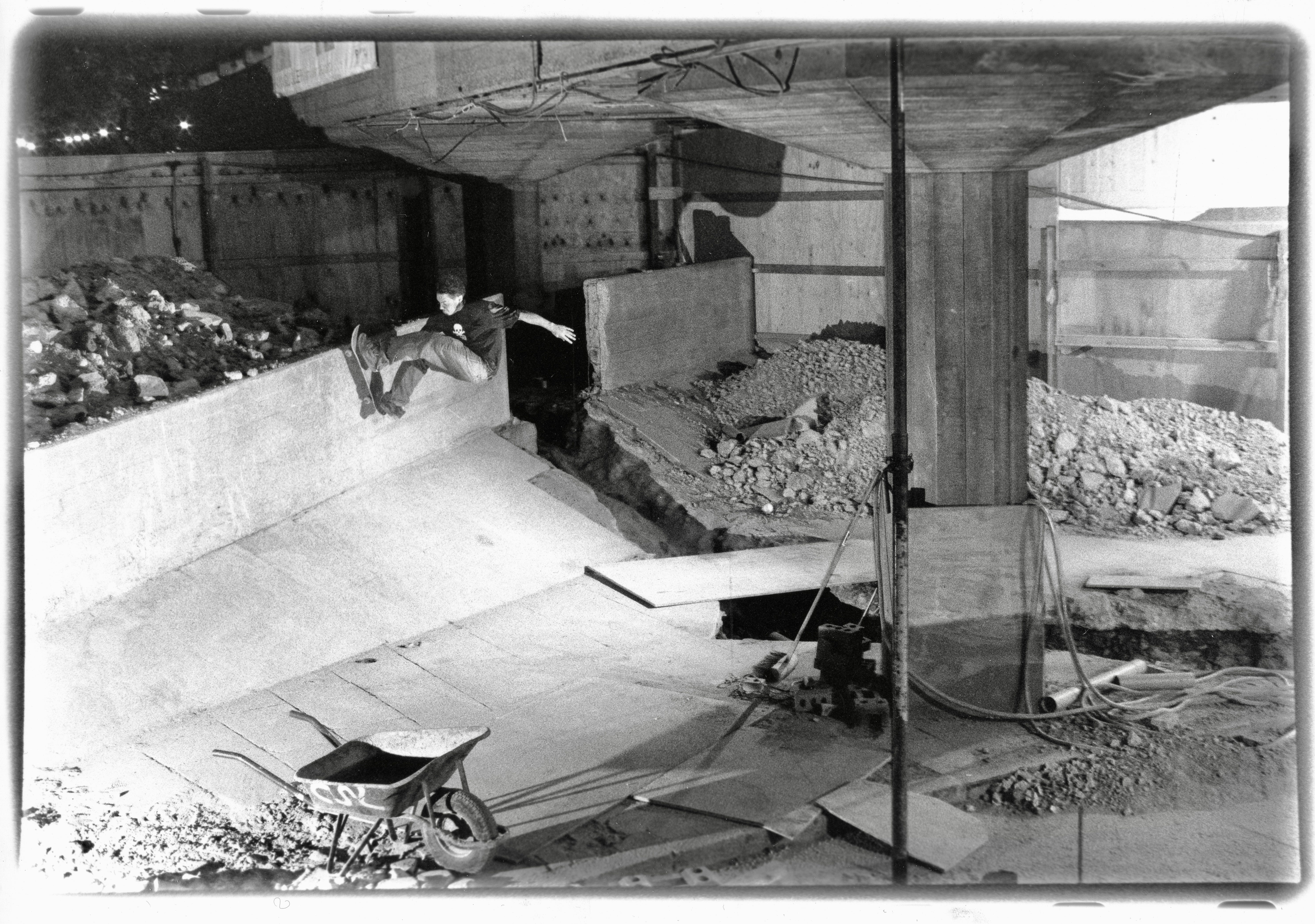
By 2006, the Centre had begun removing significant parts of the original site. Most of the riverside walkways in front of the Royal Festival Hall were removed, and the ‘bank-to-wall’, a significant part of the skateboard legacy of Southbank, was demolished. All of this happened without any consultation with the users of the space, who were of course predominantly skateboarders, and who had zero say in the significant decisions the Southbank Centre were making on their behalf.
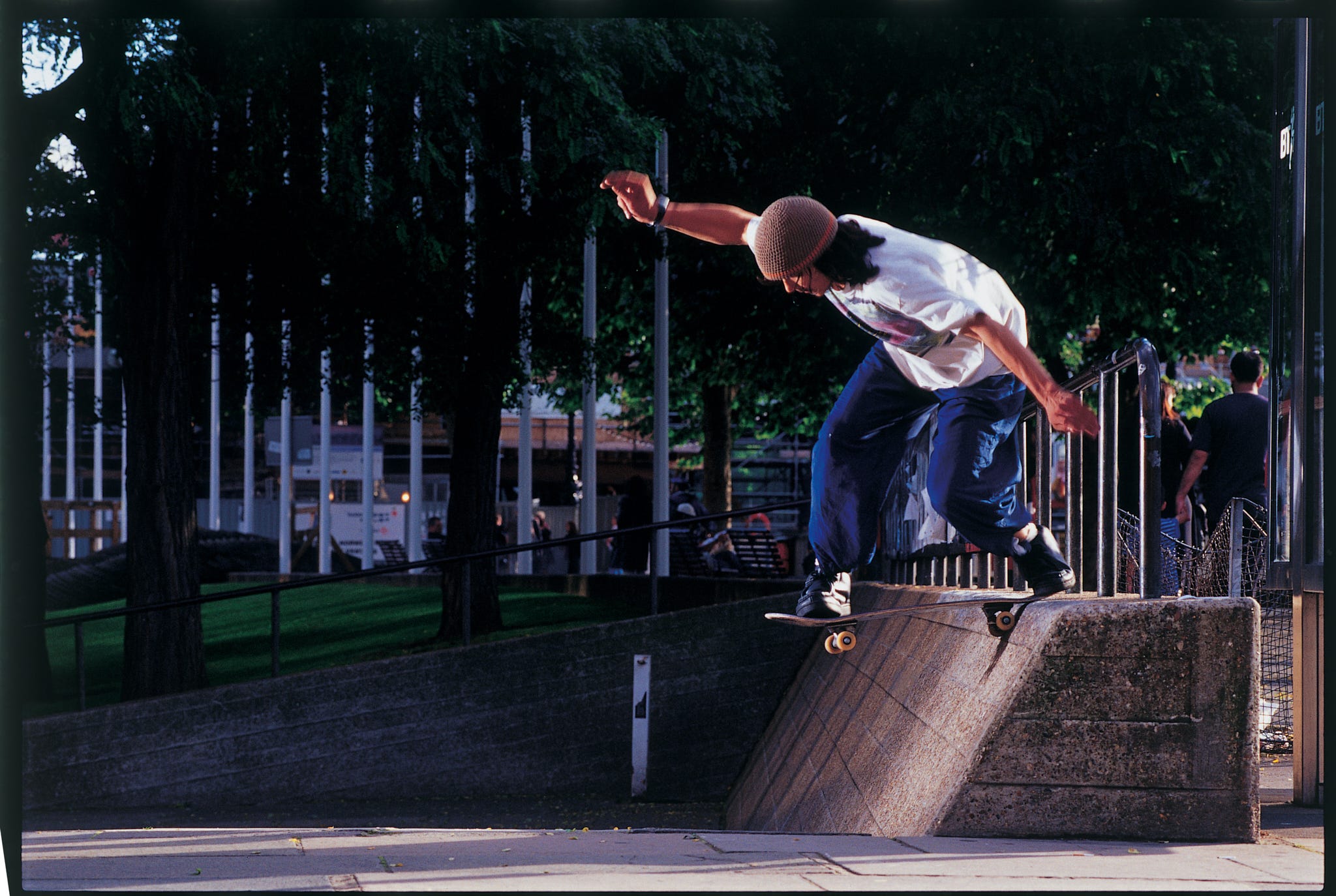
Until - well, we all know what comes next.
In 2013, the Southbank Centre sought to close the undercroft completely and replace it with a dedicated ‘Skate Space’ under the south end of Hungerford Bridge. This idea had some high-profile support, especially from some areas of the arts, including none other than Billy Bragg.
Who, it seems, was under the misguided impression that, after evicting the skate community from very scene it had created, the undercroft would be transformed into rehearsal spaces for artists, performers, and musicians. Vain hope is quite the look. Because we all know what they really wanted to do with the space - and what arts organisation wouldn’t want to swap its cultural heritage for some income from another fast-food restaurant?
The history of LLSB (Long Live Southbank) is very well documented elsewhere (not least in this episode I recorded in 2018 - Matt), so I don’t need to get too into it here. Suffice to say, a great deal of good work was done by some very well-meaning people to save the space, and I’ll take this opportunity to congratulate them once again, right here.
But let’s not forget that the final word actually went to the one of the most polarising political figures of the last twenty years: Boris Johnson. A political opportunist he may be, but the reality is that the skateboard community has LLSB to thank for forcing the former Mayor of London off the fence long enough to make the right decision.
What happened next remains somewhat murky. At the end of the twenty-teens, the Southbank Centre, in my opinion, saw an opportunity to mobilise the wider skateboarding community into paying for the renovation of the back of the undercroft, a space that had been promised back to them in 2004. I recognise I might not be the best person to judge quite what the £790,000 apparently raised by the subsequent crowdfunder might have eventually bought in 2018/2019, when the space reopened. But I’m left feeling suspicious.
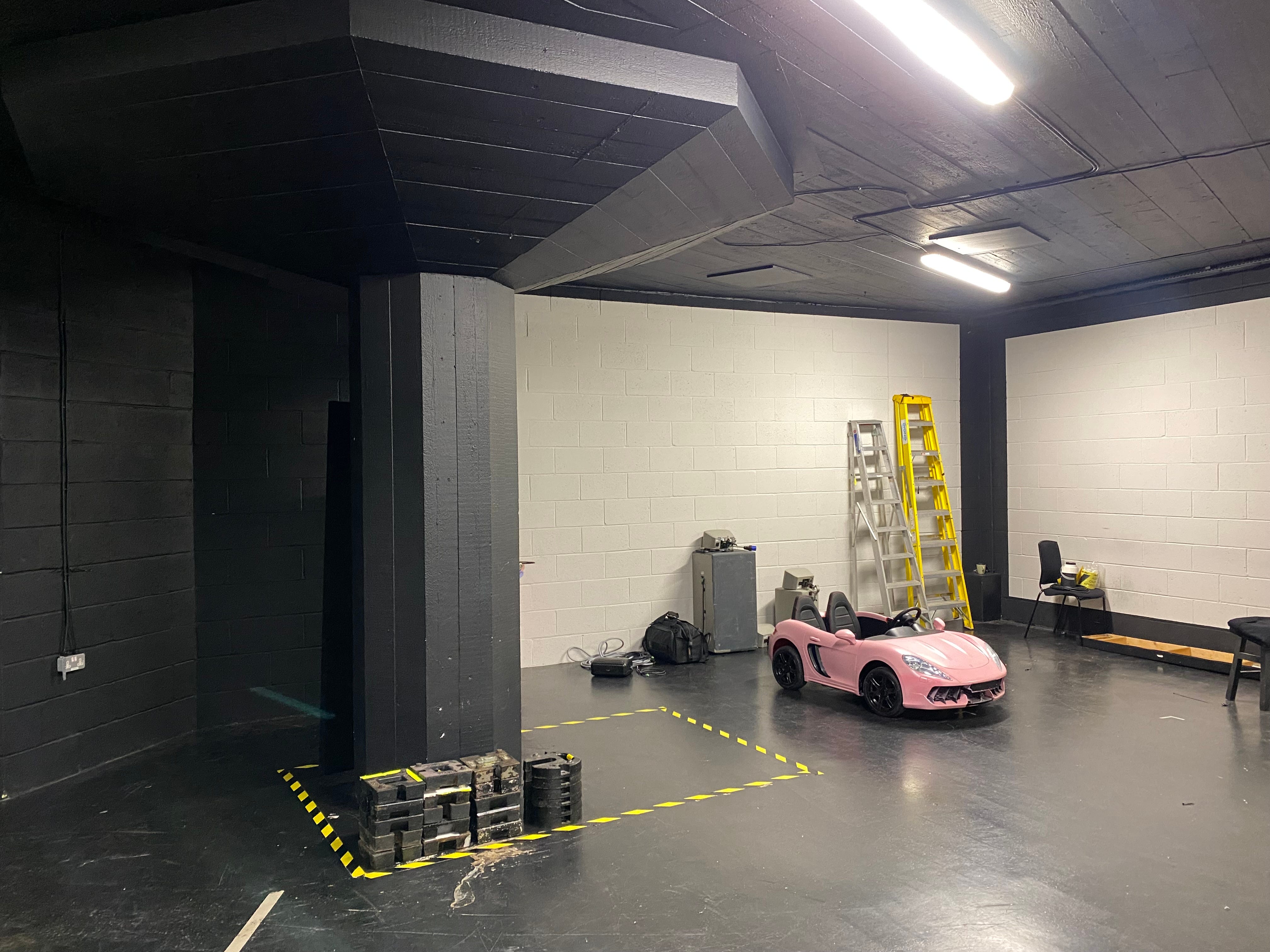
Yes, a section of the undercroft reopened in 2019, including much of what would have been called the ‘small banks’. Yet the final section, furthest from the river, which was retained by the Southbank Centre with the supposed intention of turning it into a ‘young people’s centre’ was, in 2024, still being used as a storeroom. Right up until the opening of the current skateboard exhibition.
In 2026, a further development saw the entire site, from the Royal Festival Hall all the way to the Hayward Gallery, become subject to Grade II listing, despite the best efforts of the buildings’ owners (the Southbank Centre), who would presumably have preferred to carry on modifying it with impunity. Plenty of damage had already been done. At least, from 2026, nothing more can be.
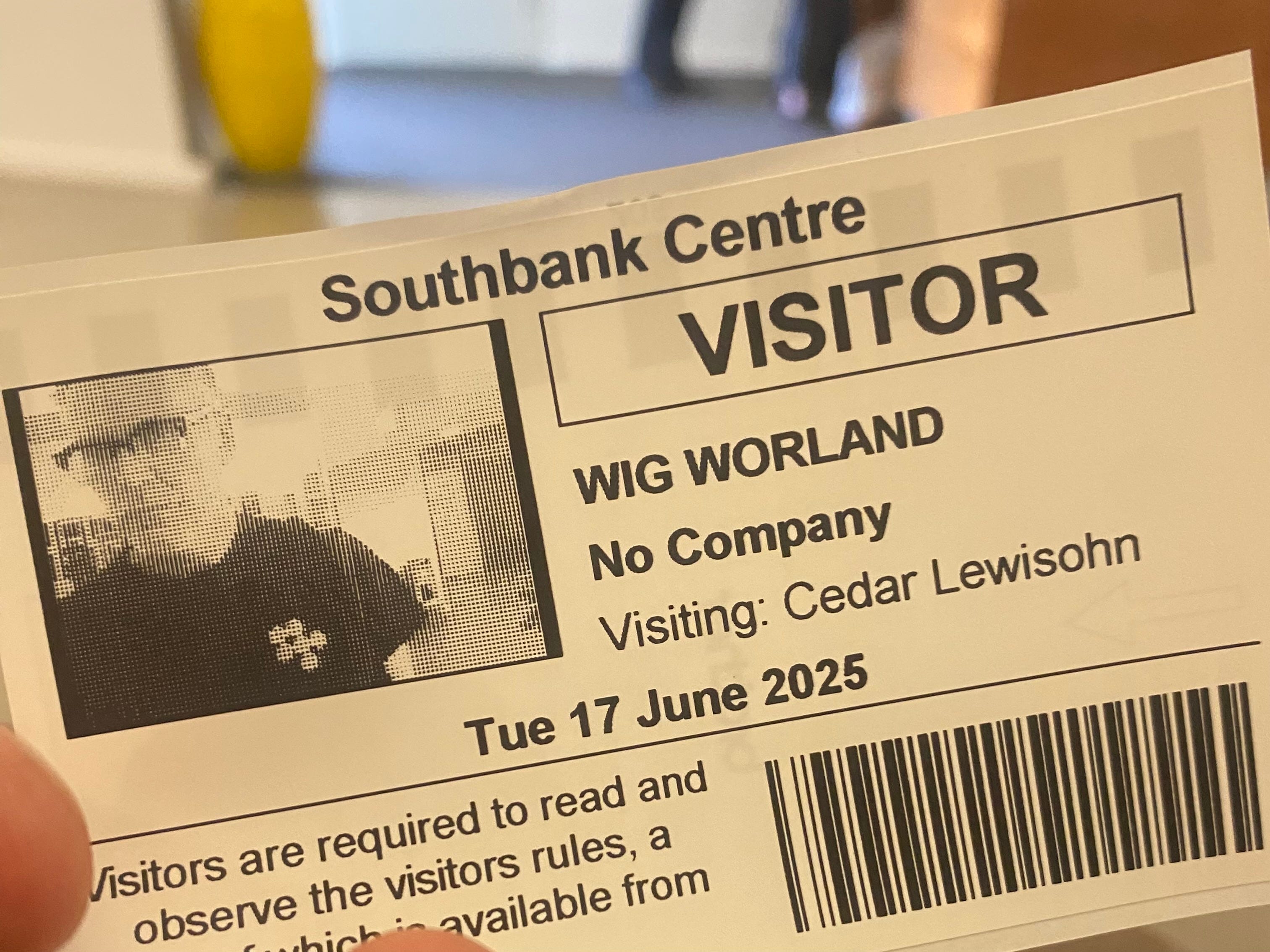
So with all that context in mind, why did I choose to stay away from the exhibition?
From late 2024 I had several meetings with Cedar Lewisohn, the exhibition’s curator, and my reservations were, to be fair, taken seriously - to begin with, at least.
I asked that the exhibition address the history I have outlined here as honestly as possible, and perhaps allow the Southbank Centre to express some contrition. Instead, as seen in recent coverage in Huck Magazine, it feels like they instead wanted to focus on celebrating their own role, portraying themselves as something they are not, and absolving themselves of responsibility in the process. I guess radical thinking doesn’t appeal to everyone.
I still feel the exhibition could and should have been used to address the last 50 years honestly, apologise for it, and look toward the future. I know I’m not alone in that view; the comments section of the Instagram post where this essay first appeared made that very clear.
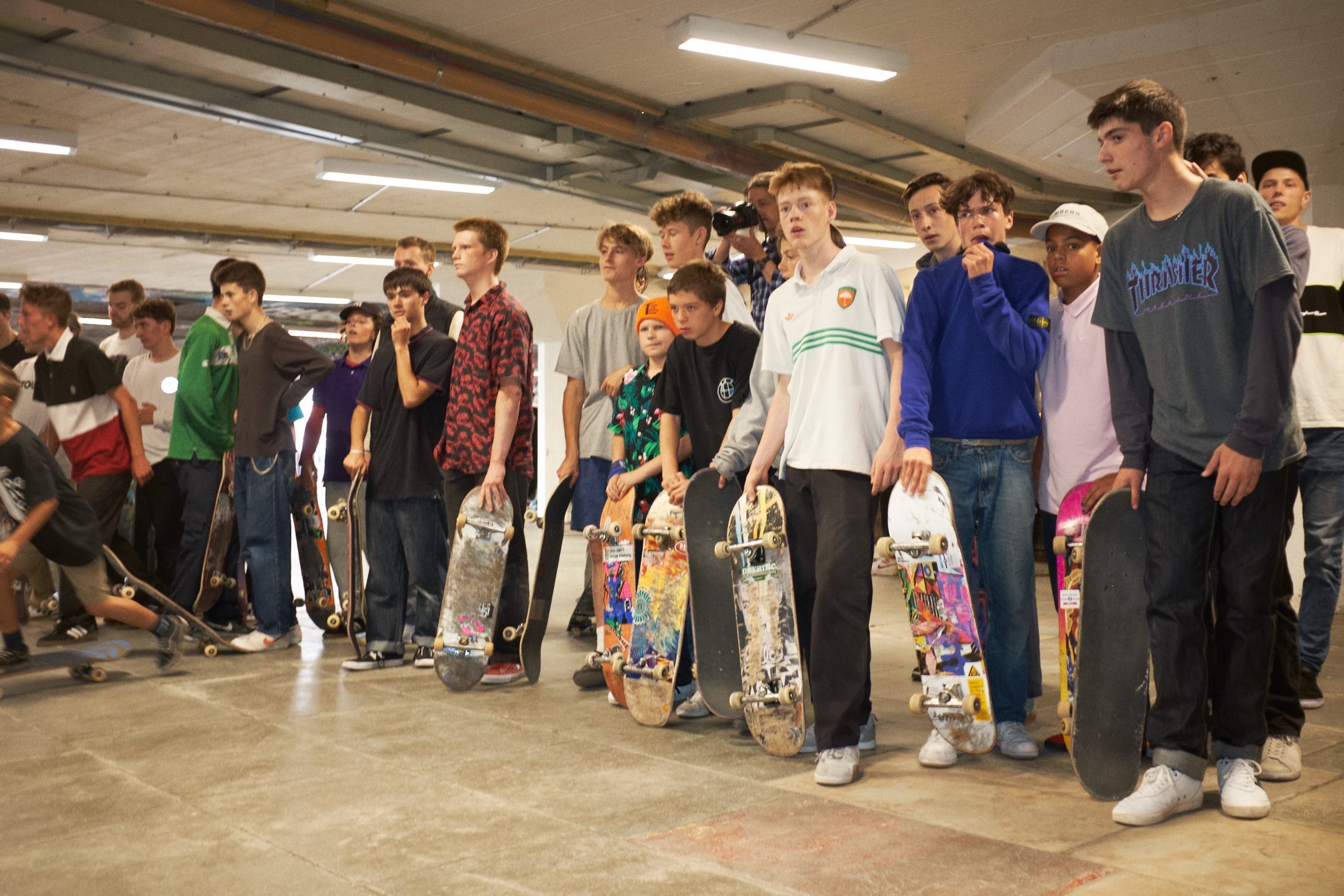
And yet.
I’m trying my best not to be too affronted by it all, because as Henry Edwards-Wood of Long Live Southbank recently reminded me:
“Tomorrow some kid will roll into the undercroft and begin a skateboard adventure we’ll never know about. One of a million threads the place itself has created.”
In the meantime, now that the undercroft’s transformation into a skatepark, complete with de rigueur graffiti, is finished, there’s nothing an architectural absolutist, a free-movement fundamentalist (if you will) like myself can do other than write a short essay, express my own opinions, and remain on the sidelines whispering my truth into the wind.
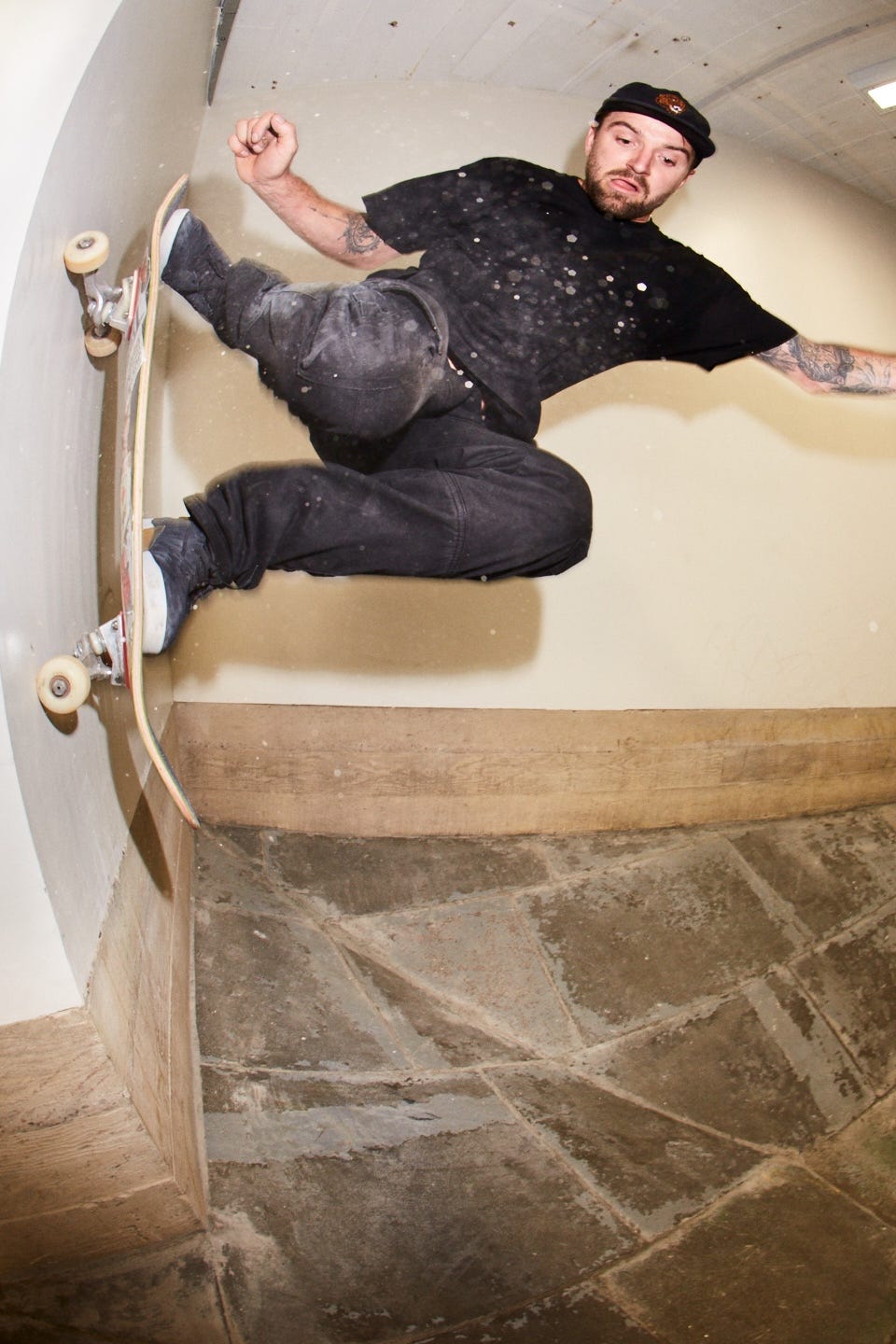
When I pass by the space, I look for some of the characters I follow in my social feed and try to say hi, but I’m no longer the demographic the space should be attracting. It’s fine. I get it. I’ll take my opinions elsewhere. But I still think it’s better to have an actual opinion than not.
Anyone who knows me knows I’d do anything for the wider skateboarding community, and I don’t have a problem with anyone who wants to use the space at the Southbank. I still support it, and I love that there’s a place in central London where you can ride a skateboard for free.
Just don’t ask me to support the Southbank Centre themselves. They rarely did the right thing and were pretty much always the enemy. But let’s see what the next 50 years bring.
If it all goes well, I’ll maybe support the next exhibition.
“We do not feel that the communal value of this aspect of the site has been fully appreciated by the Southbank Centre.” — 20th Century Society
Found this fascinating. Thanks for sharing Wig (and Matt)
Great piece, loved it.