
Looking Sideways: 10 Things
Maribou State on the pod, London's chicken shop genius, and the Cairngorms ablaze.

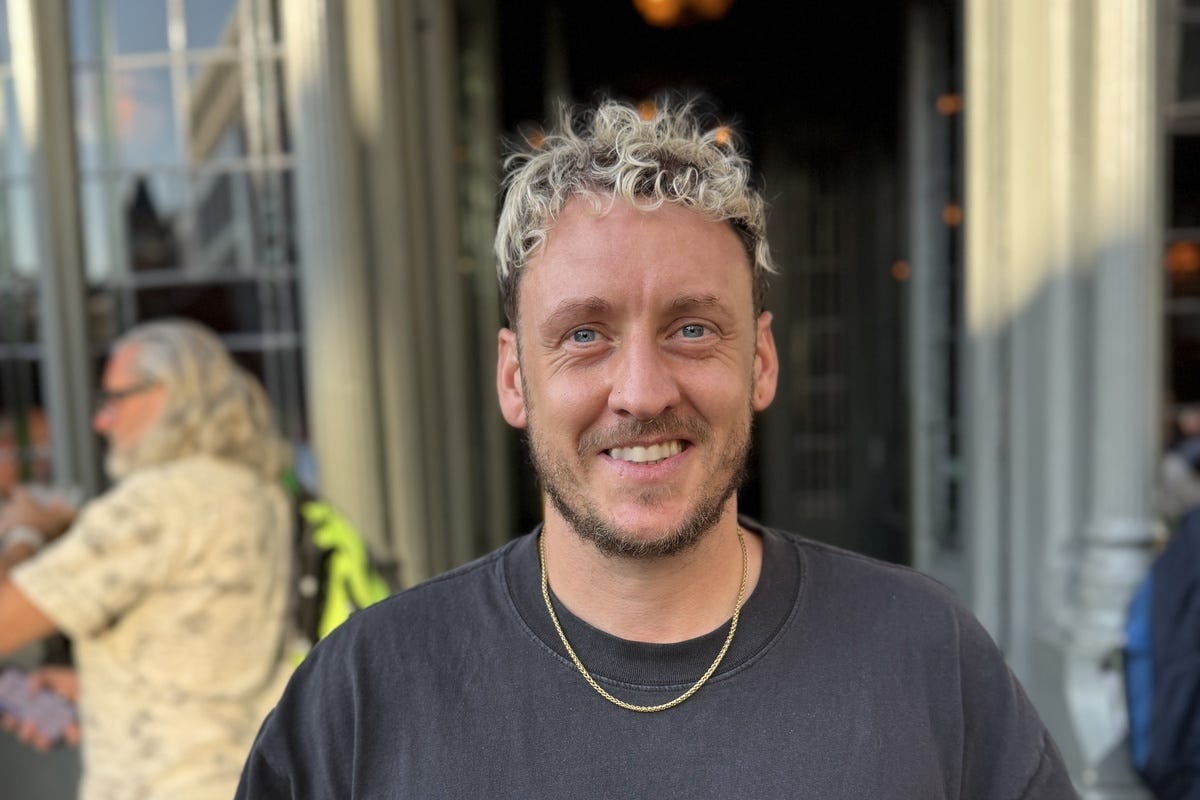
1. Normal podcast service draws ever closer. This week I had the pleasure of interviewing the brilliant Liam Ivory of Maribou State about his career in music and his love of snowboarding and surfing. Thanks for being such a great sport, Liam.
10 Things is free, and always will be. But pulling it together each week takes more time and obsessive curiosity than is probably healthy.
So if you’d like to chip in without committing to a paid sub, you can now buy me a coffee (or something stronger) right here. Even a couple of quid helps more than you’d think.
And if one person came to mind as you were reading this, send it their way. Nothing helps a newsletter like this more.
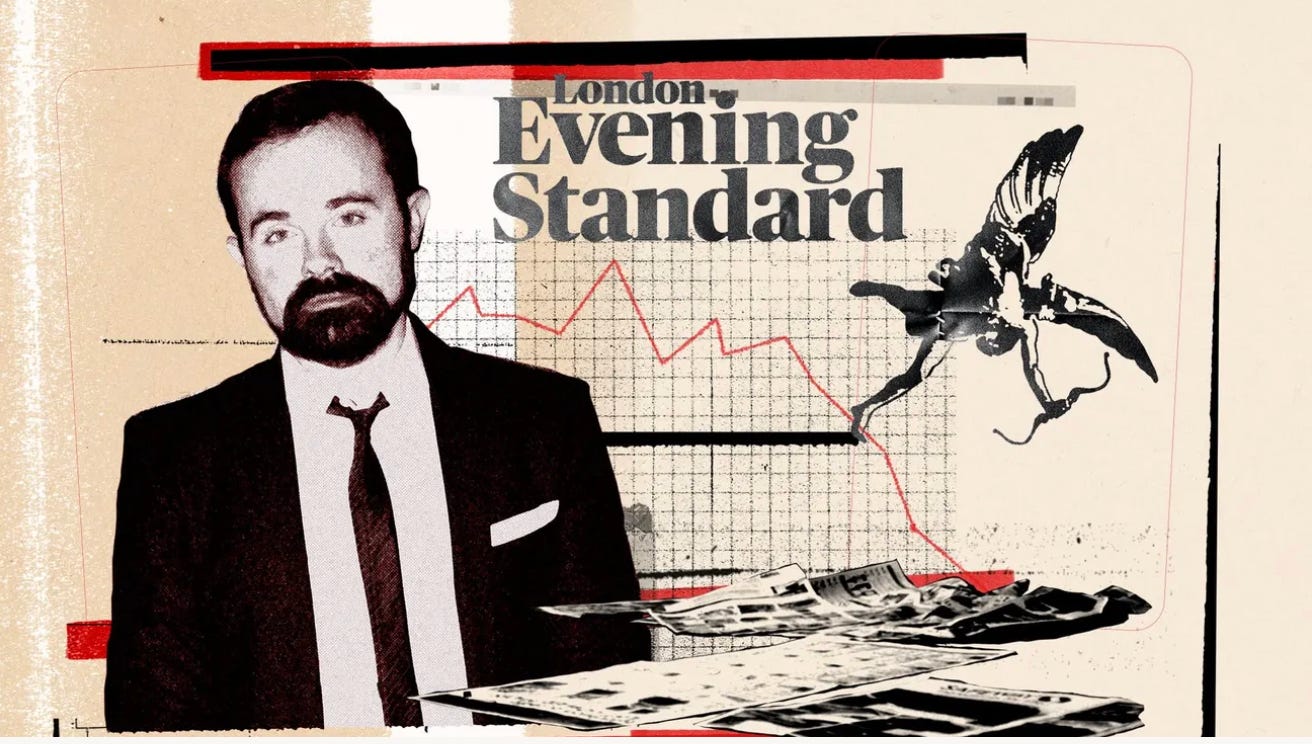
2. A fascinating insight into the Lebedev-inspired decline and fall of the Evening Standard, a paper I was lucky enough to contribute to for years. (They once sent me on a Saga cruise around the Mediterranean, definitely one of the weirder journalism gigs of my life).
More simple ways to support Looking Sideways - use any of these codes and I’ll get a small commission 🫡
FINISIDEWAYS26 for 10% off anything full-price from Finisterre
LOOKINGSIDEWAYSXDB for 15% off anything from Db
LOOKINGSIDEWAYS for 15% off any Stance order
LOOKINGSIDEWAYS2026 for 15% off any Albion purchase
LOOKINGSIDEWAYS for a whopping 20% off anything from Goodrays
And every book I bang on about lives in my Bookshop.org store. Buy through it and you're buying from independent UK bookshops, and I get 10% that goes back into the show.
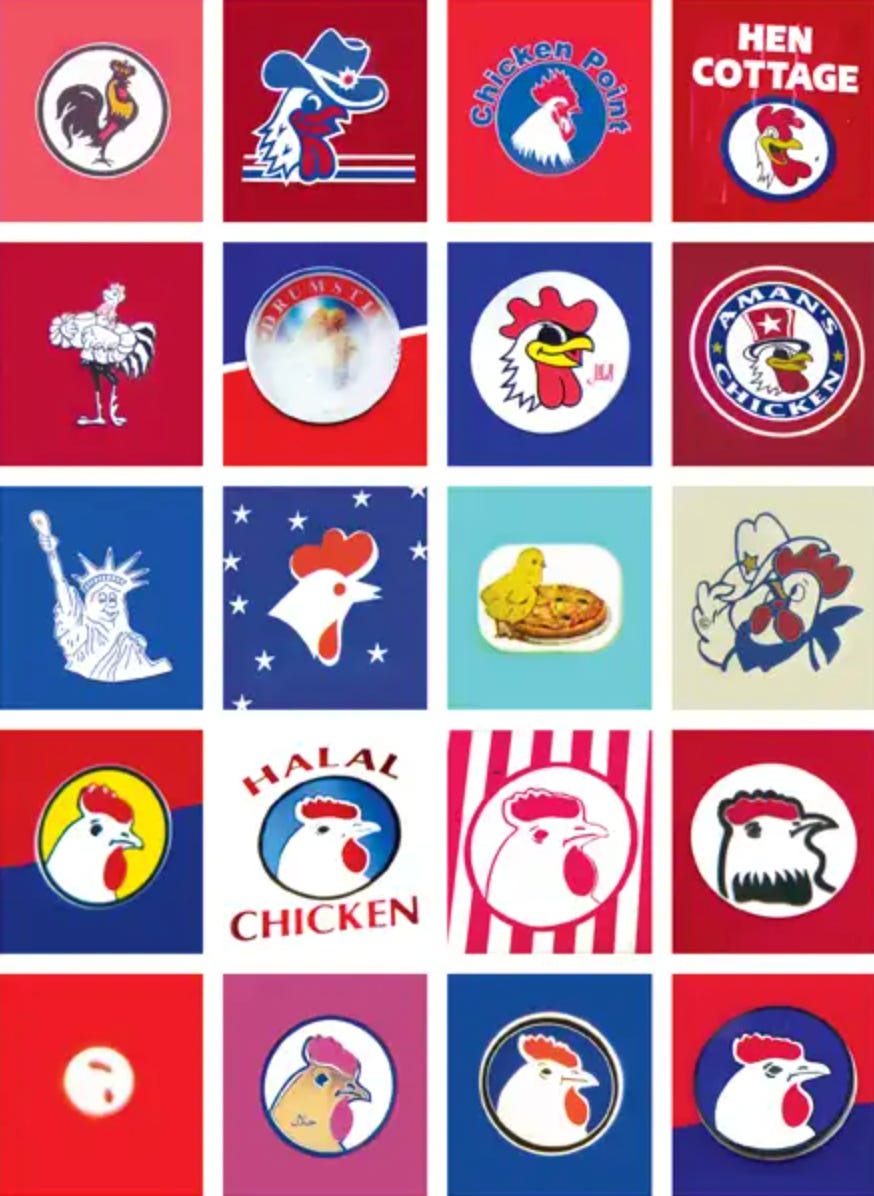
3. Love this: London's, er, distinctive chicken shop livery is the brainchild of one wayward genius.
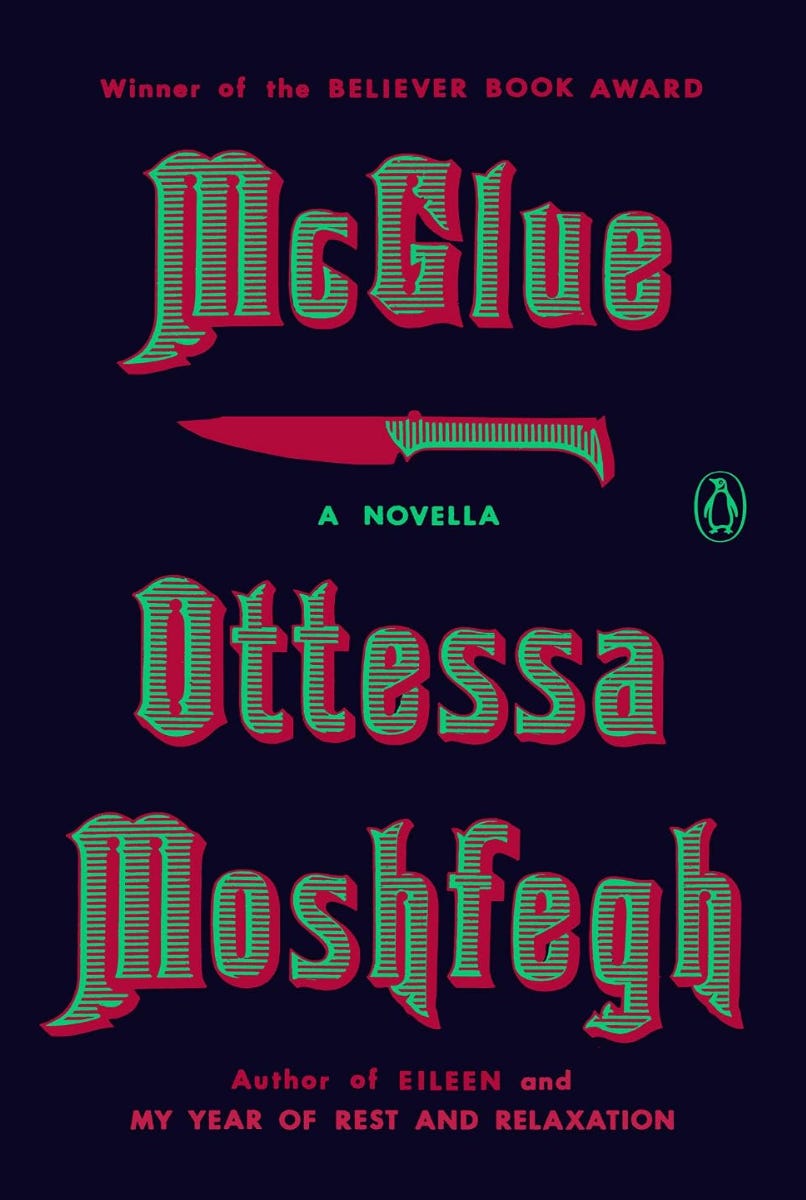
4. Now reading: McGlue, a brutal, lyrical novella that's part Melville, part Golding, part Poe, and right up my watery boulevard
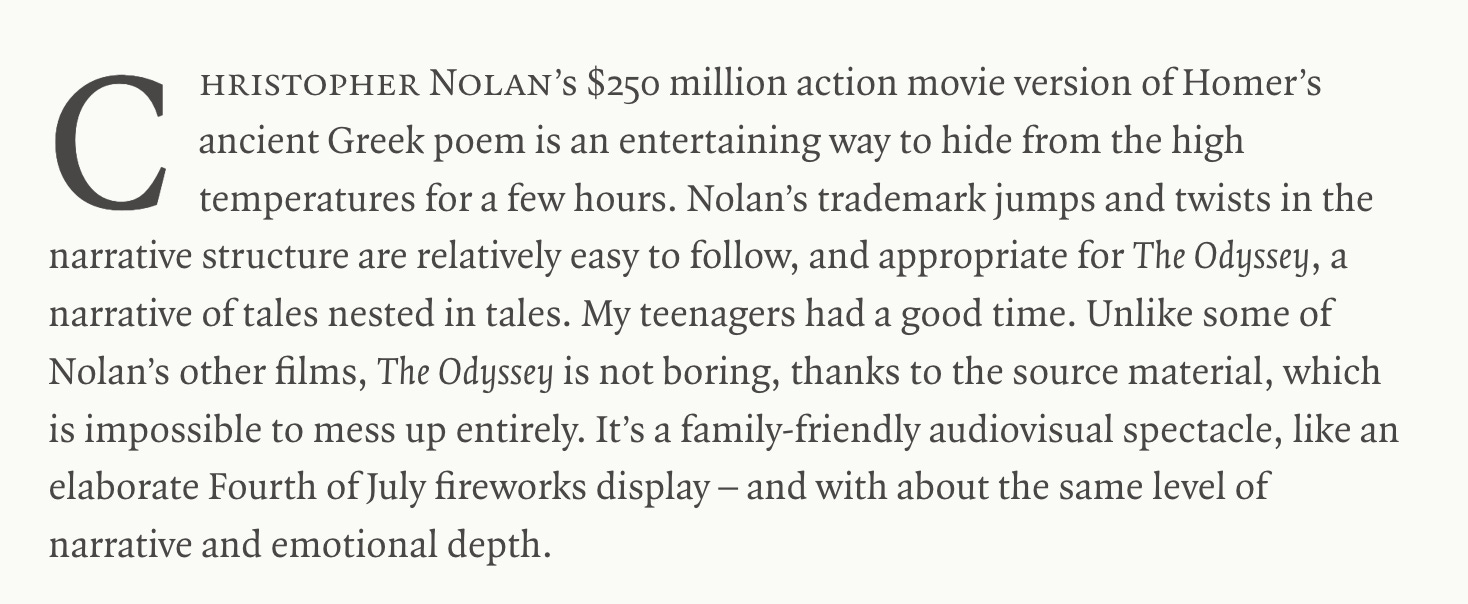
5. Emily Wilson is perhaps the Odyssey’s most famous modern translator. She isn't having Nolan's version in the slightest.
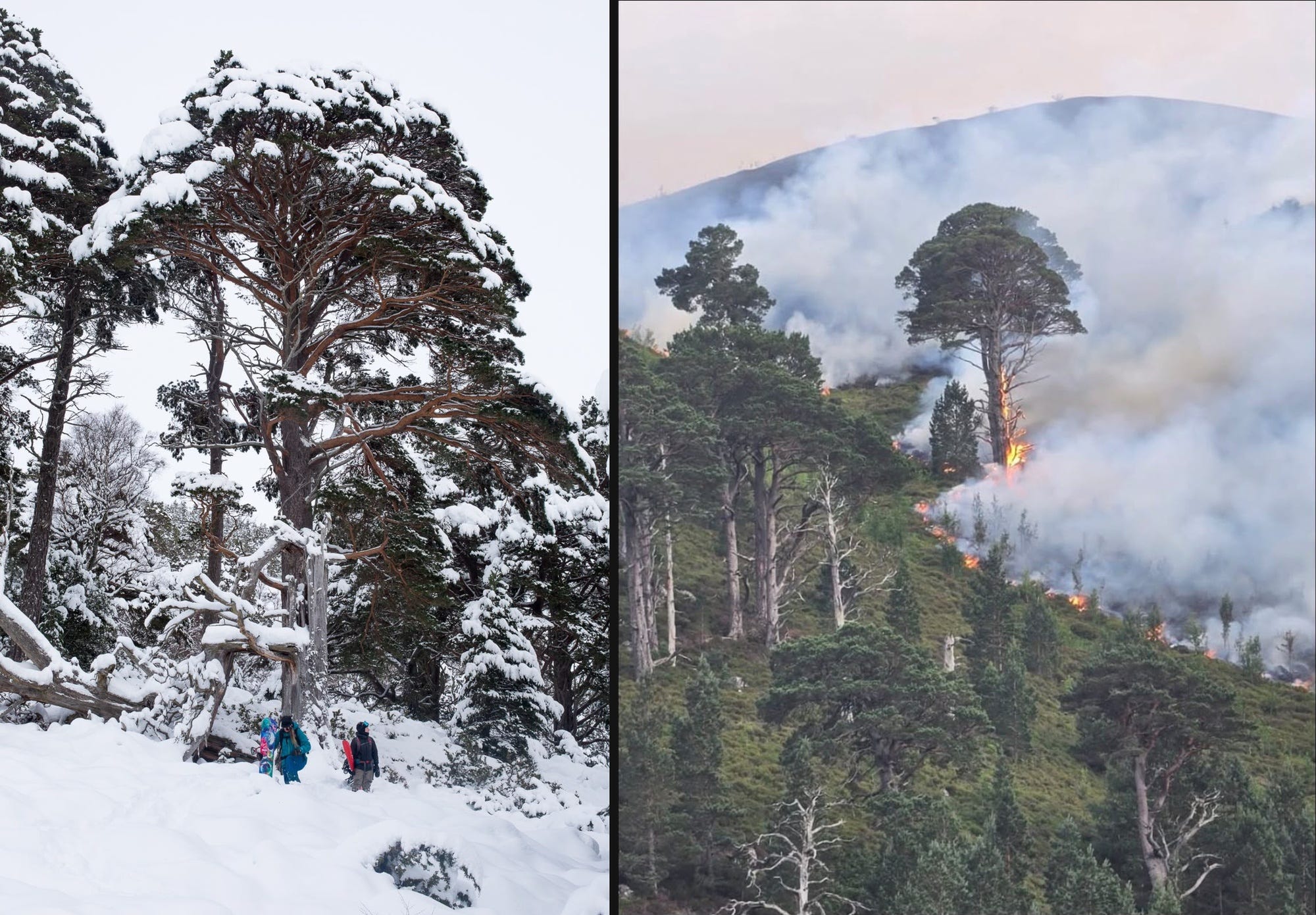
6. Very close friend of the podcast (and CNPA board member) Lauren MacCallum has been at the forefront of the efforts to tackle the Cairngorm wildfire, and sent through these heartbreaking pics that go some way of demonstrating the environmental devastation that has been wrought.

7. And as Europe burns, Calum Macintyre asks a very fair question.
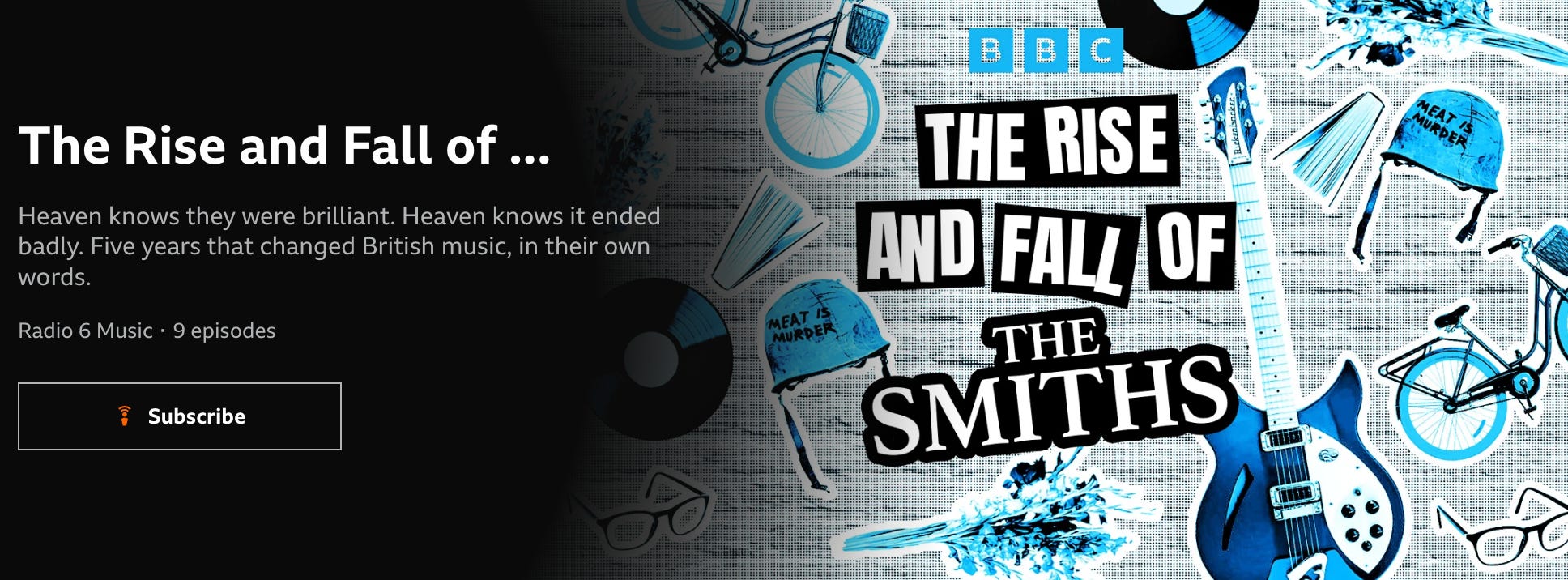
8. The BBC have a new documentary about my beloved Smiths, which features plenty of chat about my hometown of Stretford, as well as Morrissey being a proper twonk, as you might expect.
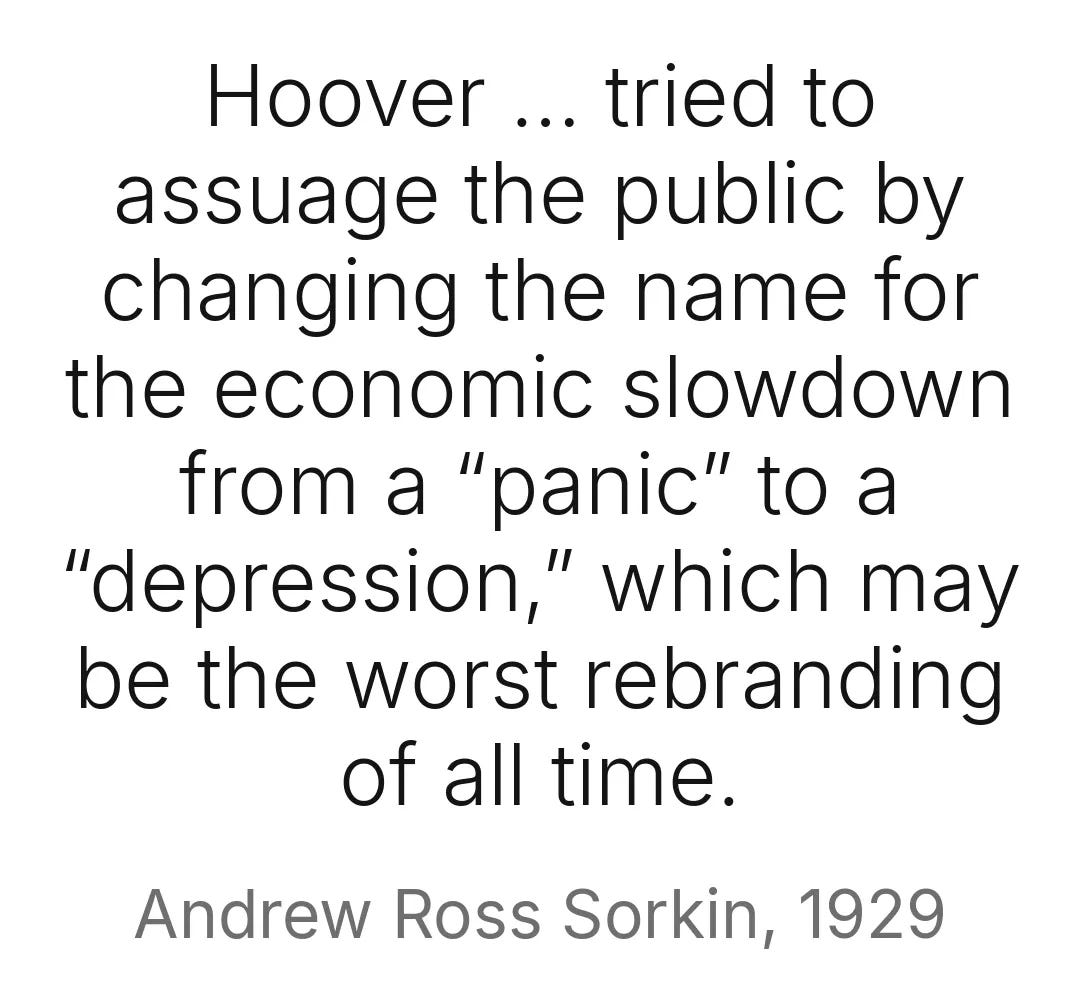
9. Well I never: the Great Depression was so-called because President Hoover thought it sounded better than a ‘panic’. From Sorkin's 1929.
10. “This was supposed to not be a popularity contest. This was supposed to be a frank and open exchange.”
No, not a Remainer bemoaning Vote Leave’s infamous £350-million-a-week NHS claim, the one the UK Statistics Authority ruled “potentially misleading” weeks before the vote. But one exasperated debater at a Staten Island secession forum, all the way back in October 1993, bemoaning the way that particular argument had been overtaken by the politics of emotion and spectacle.
This exchange is taken from the podcast I shared last week and have been delving into further: The Staten Island Problem, a Malcolm Gladwell-produced series that uses the story of Staten Island’s doomed mid-90s attempt to secede from New York City as a metaphor for the current state of American politics. It’s a masterly piece of work. But listening to it, I couldn’t help thinking that the Staten Island story shares more than a few themes and metaphors with the UK’s very own recent story of political secession: Brexit.
It’s all there. The ‘politics of fear’ accusation, deployed against anybody who dared bring the debate back to the financial reality. The numbers themselves, privately agreed on by both sides, ruthlessly ignored and weaponised anyway. A resentful island turning against its perceived liberal, metropolitan elite overlords. A leadership vacuum waiting to be filled by just the right type of bullish, charismatic demagogue.
And the series hints at something else more than a little depressing: whatever agency we might think we have, we’re all really just slaves to history’s repeating rhythms. What happened on Staten Island, and what happened during the Brexit campaign, were era-defining political stories, sure. But they were also just the latest instances of a pattern that, as the series shows, has played out again and again around the world, from Tuvalu to Barbados: an island rejecting the parent body it has strong financial and administrative ties with, and the consequences be damned.
And in the end, the series added weight to something else I’ve been mulling over recently during this strangest of periods: that this century, in the west at least, is increasingly starting to mirror the arc of the last one, putting paid to the idea of the end of history along the way.
An initial golden age, a global economic crisis, an eastern European flashpoint, major powers fighting proxy wars, the rise of the far right. And we all know what happened next…. as Callum asks, why aren’t we more angry?
Have a great weekend everybody.