
In Search of Scarcity: Georgia
Investigating the profit-versus-preservation conundrum in one of Europe's last winter sports wildernesses.

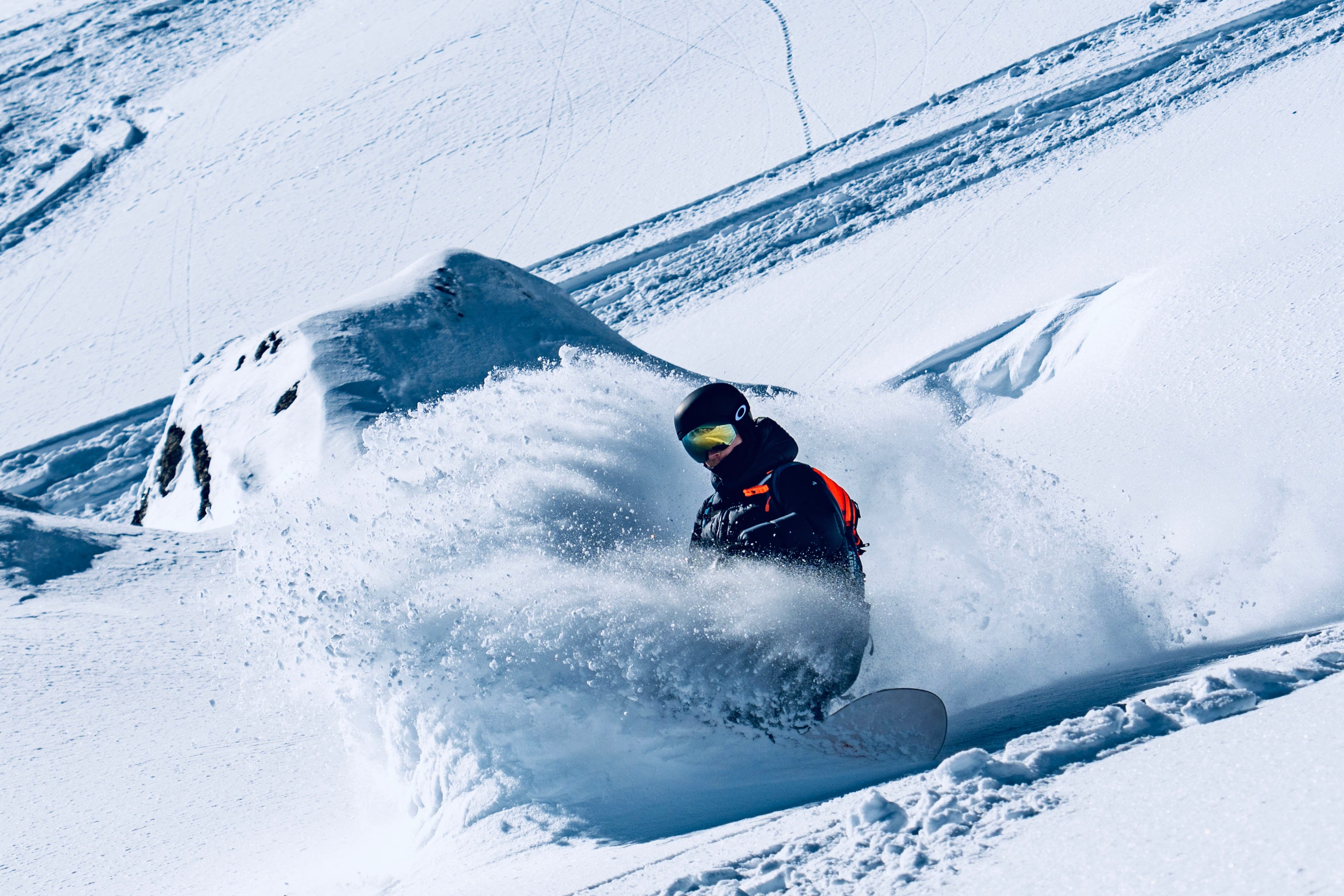
“The newly emerging ideal was solitude, purity, perfect waves far from civilisation. Robinson Crusoe, Endless Summer.” - William Finnegan, Barbarian Days
In the weeks since my recent catboarding trip to Georgia’s Bakhmaro valley in the Lesser Caucasus, I’ve been thinking a lot about scarcity, and what it means for surfing and snowboarding.
Why? Because scarcity is one of the things that makes us unique in the sporting world, something fundamental that anybody who follows these pursuits at all seriously comes to understand.
Think about it. Footballers don’t have to travel across continents to find a pitch worth playing on. Swimmers can lap the local pool. Runners can step outside their front door.
But unless you’re lucky enough to live by the ocean or in the mountains, surfers and snowboarders are travellers by default.
Most of us have to go out and find it. And that peculiarity has shaped our culture in profound ways.
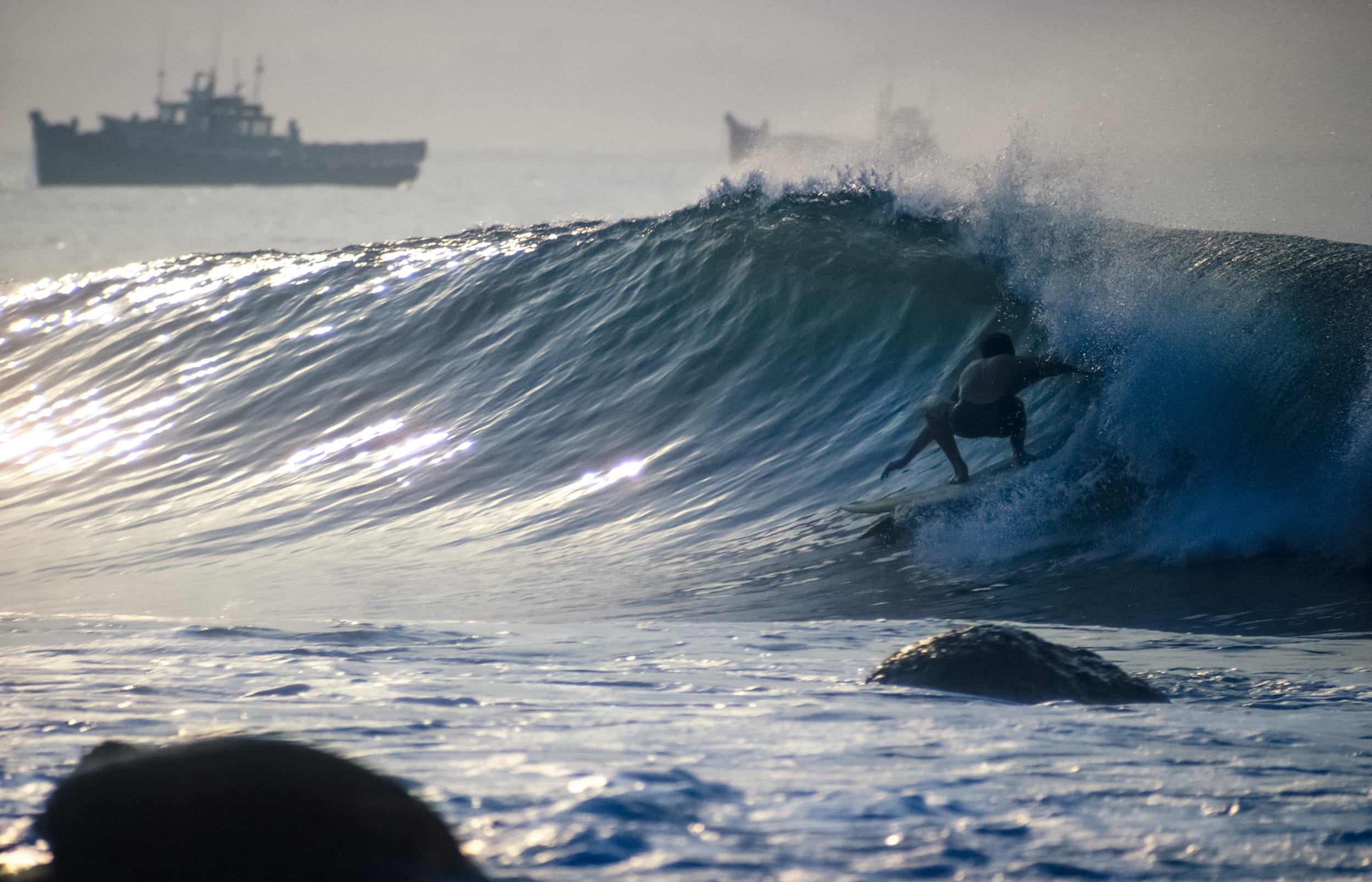
“California was getting crowded, so in high school a friend and I said, ‘Well, let’s graduate high school early and drive down to some place like Central America.’ You know, because there’s maybe uncrowded waves there.” - Craig Peterson, Looking Sideways, episode 077
The most obvious consequence is that scarcity has always been one of our key currencies: hunted out, hoarded, jealously guarded.
Another is that ‘the search’ for a particular type of untouched paradise has become one of our most persistent and influential tropes. Adventure as a solution to scarcity is part of it, of course. But over the years the romance - or ‘purity’, to use Finnegan’s revealing signifier - of the search has taken on equal importance.
Think of Endless Summer, surfing’s ur-text. Or Peterson and Naughton, our own Lewis and Clark, questing their way across continents in the 1970s, documenting it all in a series of massively influential dispatches for Surfer magazine, and creating the wave-hunt template followed to this day by everyone from Kepa Acero to Chris Burkard.
It’s why, in Barbarian Days, Finnegan casts his surfing life as the search for ‘a scratched-out frontier, where we would live as latter-day barbarians’, and names his entire book after it.
In recent years, though, there’s been a growing understanding that these sideways Shangri-Las don’t exist merely as backdrops for our own solipsistic imaginings. Reconciling the impact of surf and snow tourism on the places we visit has become an increasingly important part of the culture.
Becky Coley’s essential Point of Change, which tracks the generational impact of surf tourism on the Indonesian island of Nias, is one such example. At its heart, a film like Point of Change asks us to ponder a shamefully overlooked yet vital question: how do we reckon with the impact of our own narrow fantasies on destinations ill-equipped to handle them?
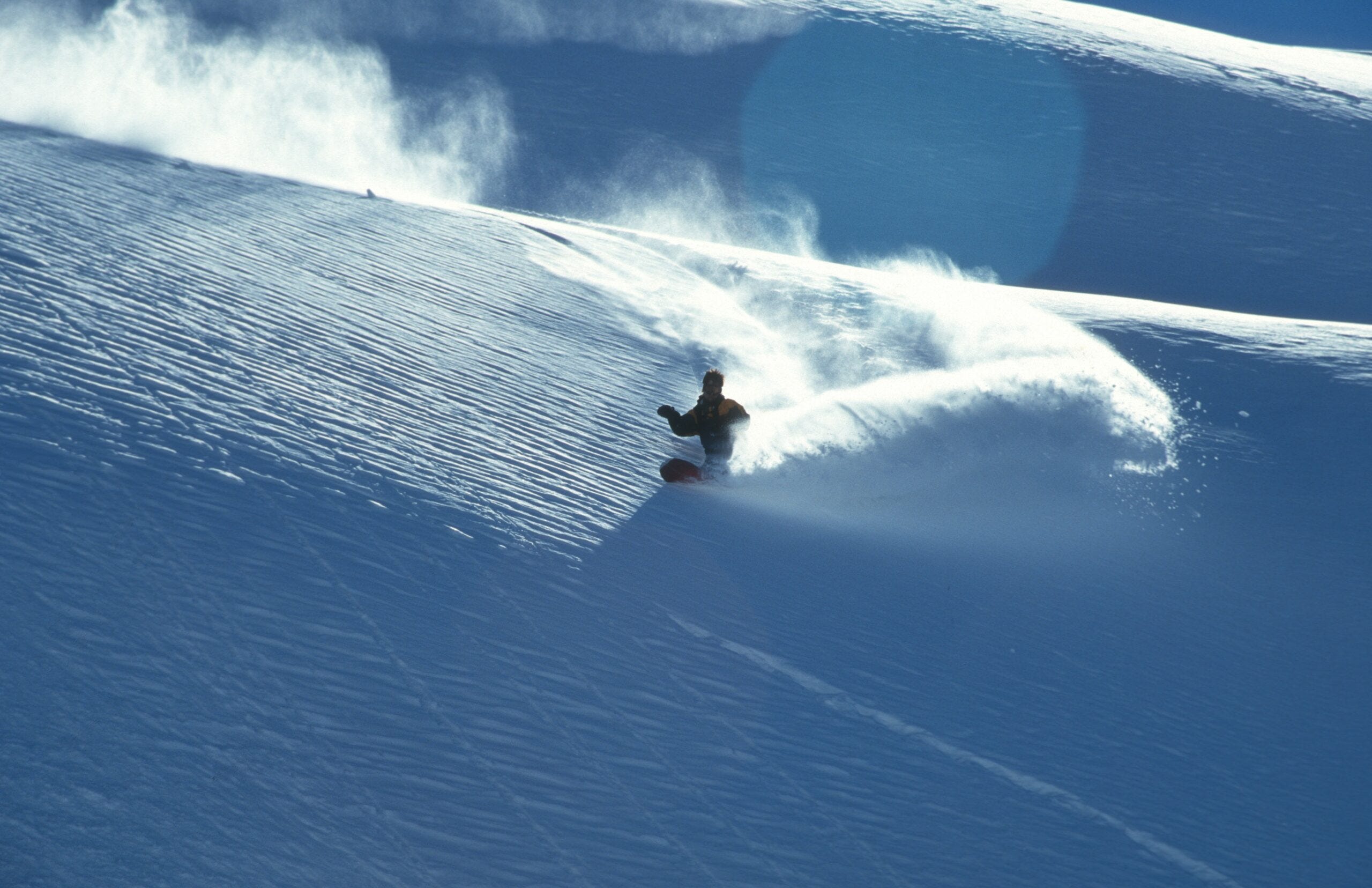
All of which is useful context for why my trip to Bakhmaro proved so thought-provoking.
I’d wanted to visit for years, lured by the stories that always do the rounds about such places. If friends who’d made the trip were to be believed, here was a proper throwback of a valley: the beneficiary of a geographical uniqueness which means it gets dumped on with light, dry coastal Black Sea powder; yet close enough to Russia and other perplexing geopolitical realities to scare most people off and keep the crowds down.
My kind of trip, in other words.
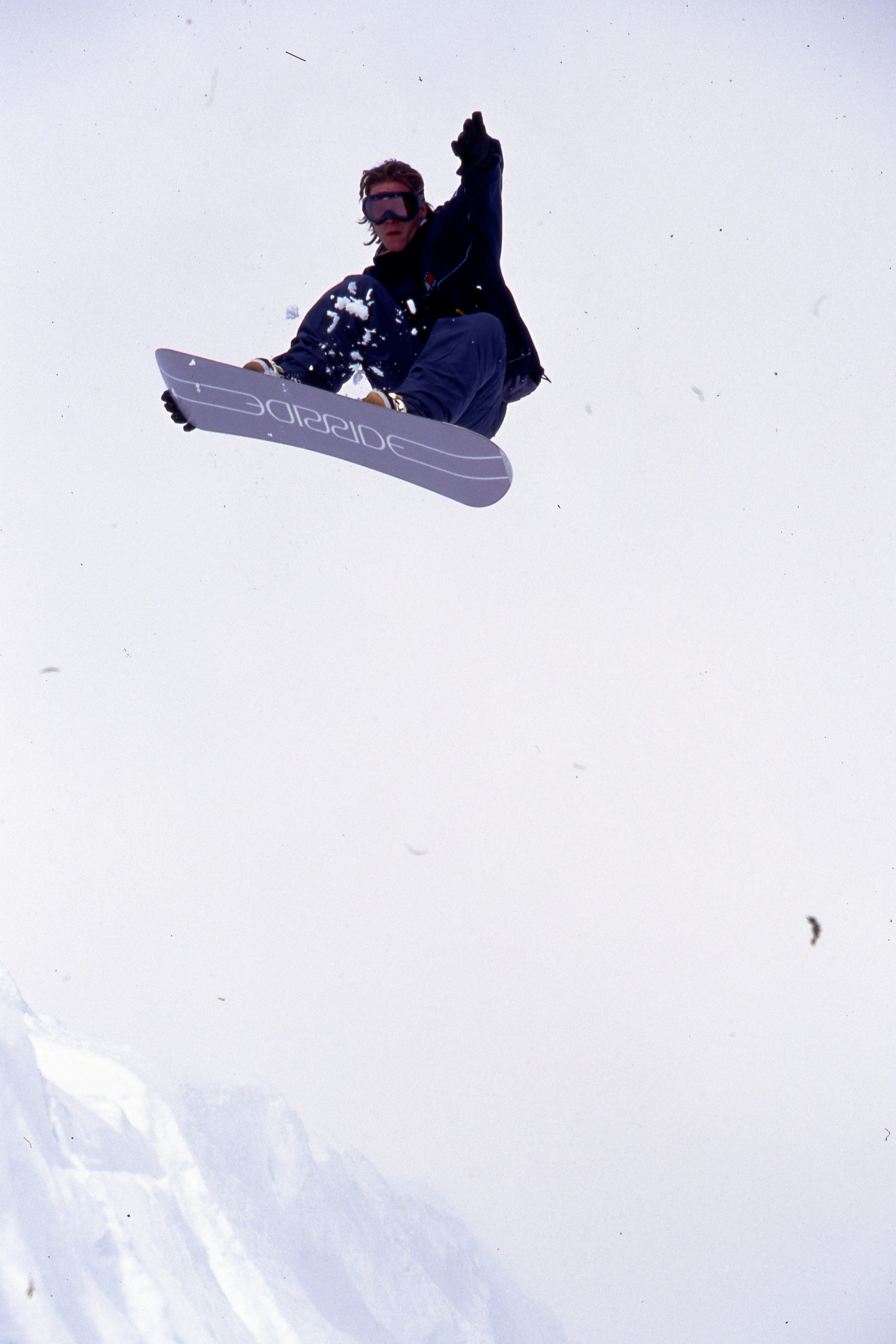
When it comes to snowboarding, I’ve always sought out resorts at the margins. Shemshak and Dizin in Iran. The Cedars and Mzaar in Lebanon. Beldersay in Uzbekistan.
These trips had dual inspirations. There were the magazine stories I’d devoured early in my career - Craig Kelly in Iran; Trevor Graves, Jamie Lynn, Dale Rehberg and Mike Ranquet in Greece - as influential to me as Peterson and Naughton had been for an earlier generation of surf travellers.
But equally important were literary influences: Robert Byron’s The Road to Oxiana (the reason I dragged everybody to Isfahan) and F.M. Bailey’s Mission to Tashkent (ditto Samarkand, when we went to Uzbekistan).
As well as being miles from the mainstream, visiting these places fed an adventurous curiosity that eventually became at least as important to me as the riding itself - just as it so obviously had for Finnegan, Peterson, Naughton and the rest.
As I worked out what snowboarding meant to me and how I could express it, these trips seemed like a mix of adventure and pretension that was right up my youthful boulevard.
So when I was invited to Bakhmaro in March 2026 to write a story for The Times, as part of a group of UK journalists, I was excited to fulfil a minor snowboarding ambition.
Even better, as became clear on our first morning, the riding is ridiculously accessible and fun: perfect for the vast majority of snowboarders and skiers who want to ride untracked hero snow in an insanely beautiful spot, with very few people around.
Personally, I also loved that it isn’t frightening. I’ve always been a bit of a coward when it comes to exposure and steeps (though, weirdly, my appetite for fear in surfing is much higher). I used to beat myself up about that; these days I couldn’t care less.
One of the joys of the trip was that you could absolutely pin it everywhere, without worrying too much, and just enjoy the snow, the turns, and the environment.
As the trip continued, the rhythm of lodge life - snowcats each morning, post-ride beers, falling asleep into enormous plates of mountain food - reminded me of surf trips to the Maldives, Sri Lanka or Morocco. Not that Georgia has the crowds that are now the reality of those places. (At least, not yet.)
So yes: Bakhmaro is an outrageously user-friendly version of the promised land we all seek. And only a short day’s journey away from London.
As you might be gathering, I had a blast.
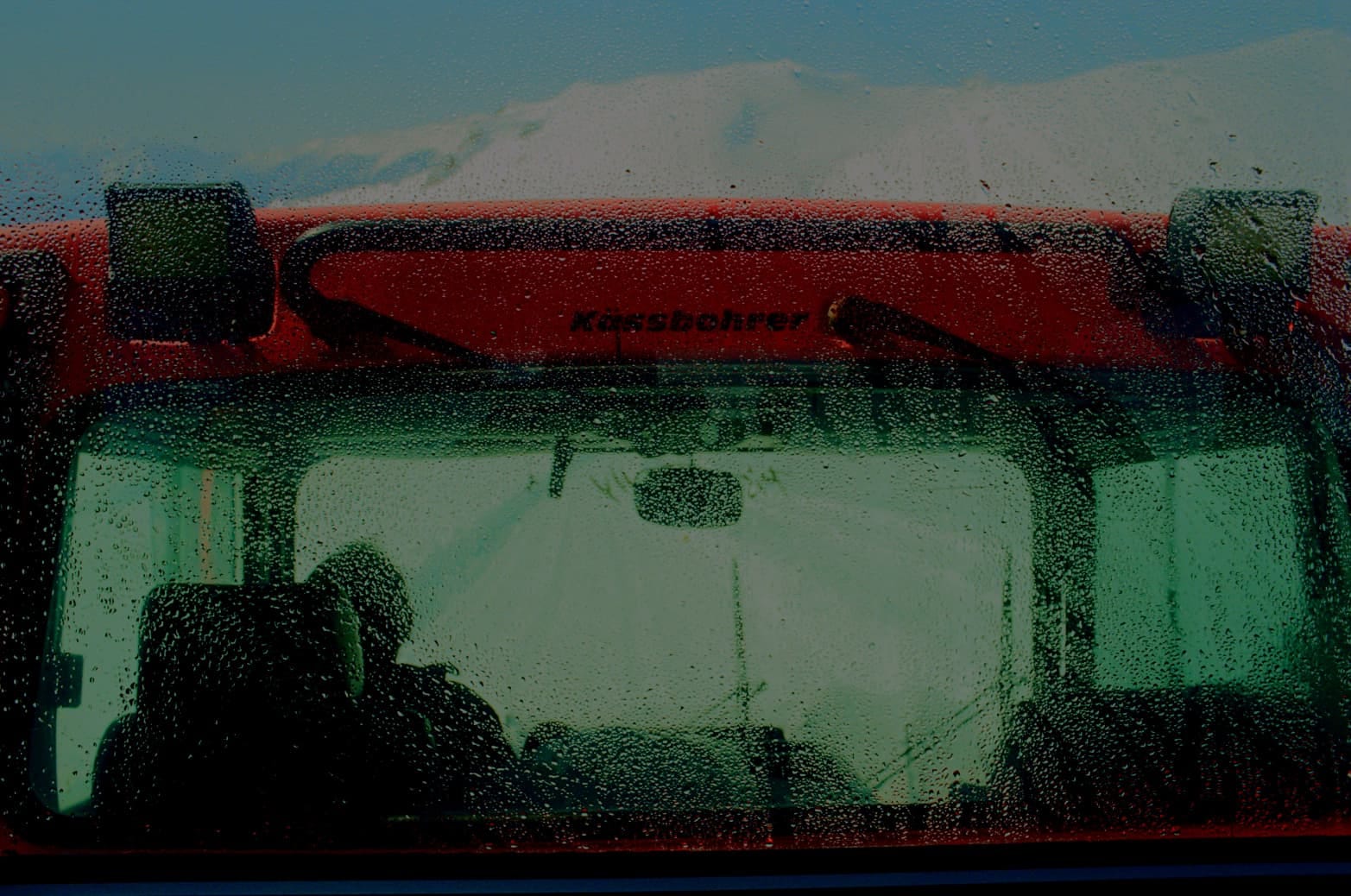
Still, as the week unfolded, I began to wonder what the future held for the valley.
There was our experience on the second day, when we found ourselves in a small queue of cats heading up to Sakornia, one of Bakhmaro’s most sought-after runs, and had to wait in line to make the access traverse. Normal in, say, Chamonix. But not really what I’d been expecting here.
Then there was the encounter on our last morning, when we were overtaken by a group of apparently guide-free riders gleefully breaking every rule of guided backcountry snowboarding - to our head guide and Georgia Catskiing co-founder Shota Komakhidze’s evident fury.
Individually, these moments were trivial. Together they were telltale signs that Bakhmaro is already being fast-tracked to a critical point in its history.
Hardly post-Instagram Canggu or Ahangama (although neither were they, until fairly recently).
But enough to raise a couple of questions:
How did Bakhmaro get here?
And how would inviting a group of journalists to spread the word help?
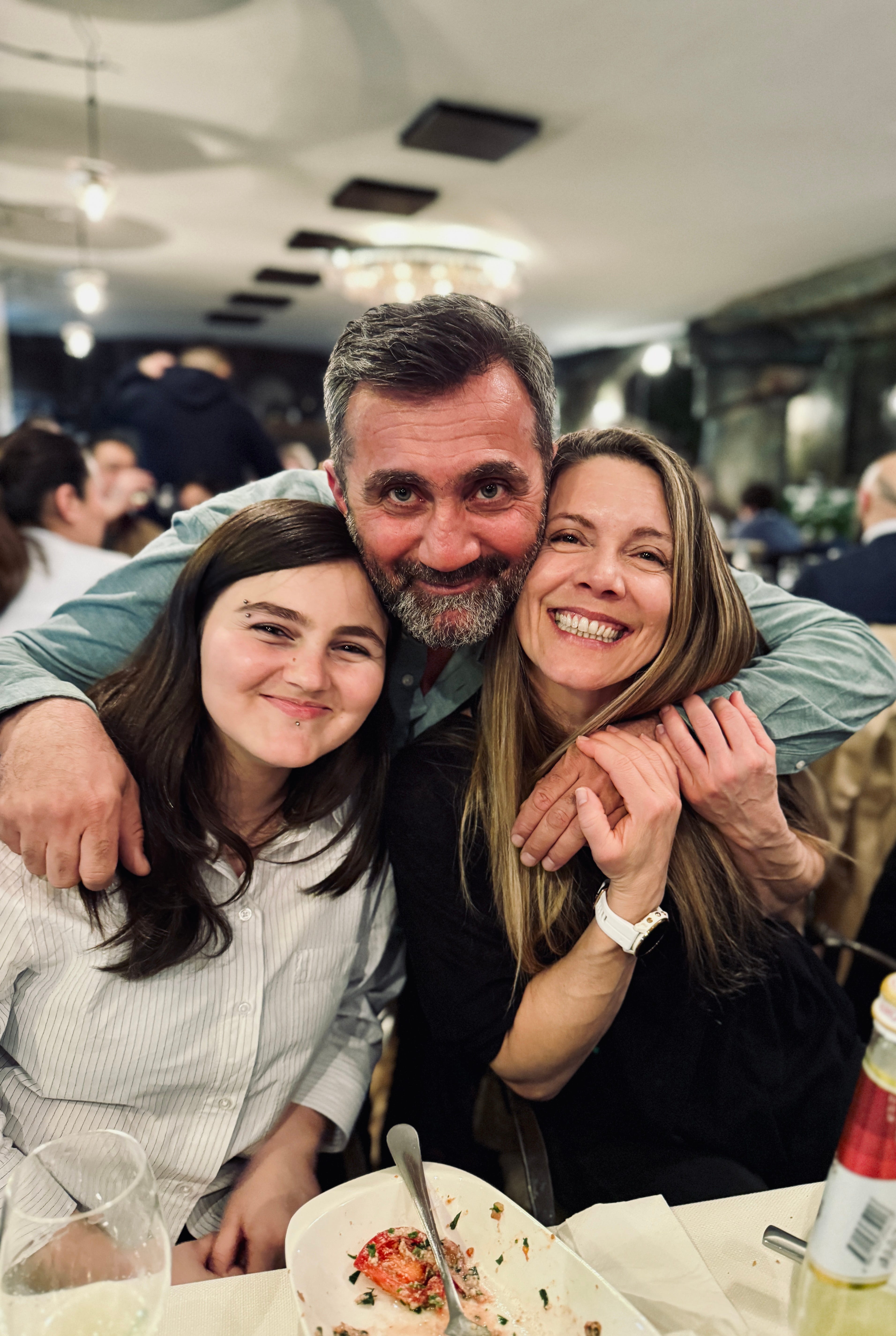
A couple of nights later in the capital, Tbilisi, I sat down with Shota Komakhidze to ask him just that.
Shota had been our constant companion for the last four days. He’d guided our jet-lagged group around Kutaisi, Georgia’s third city, on our first morning. He’d been lead guide on every drop.
And he’d joined me, Caroline and Keme as we’d ill-advisedly necked late-night chacha from a shot-ski.
As co-owner of Georgia Catskiing - the outfit hosting our trip - the bearish, avuncular Komakhidze was both the reason we’d been invited and the only person I’d seen express any tangible disquiet at the vibes on the hill.
Now, on our final night in the country, I wanted to understand how he reconciled those two seemingly contradictory positions.
It soon became obvious that I’d underestimated how quickly ski tourism in Bakhmaro had developed. According to Shota, the transformation had taken less than a decade.
“The first time I visited Bakhmaro there was almost nobody skiing,” he told me, over the khachapuri, khinkali and mtsvadi that are ubiquitous at every Georgian meal.
Early pioneers like Shota and Ingo Schlutius - a Swiss skier whose explorations of Bakhmaro predated Komakhidze’s own - were drawn to the valley by forces Peterson, Naughton or Finnegan would recognise: fun, adventure, wildness, and a crowd-free riding experience you simply couldn’t get anywhere else.
“The conditions were difficult,” he reflected. “It was completely wild. People didn’t understand why you would even go there.”
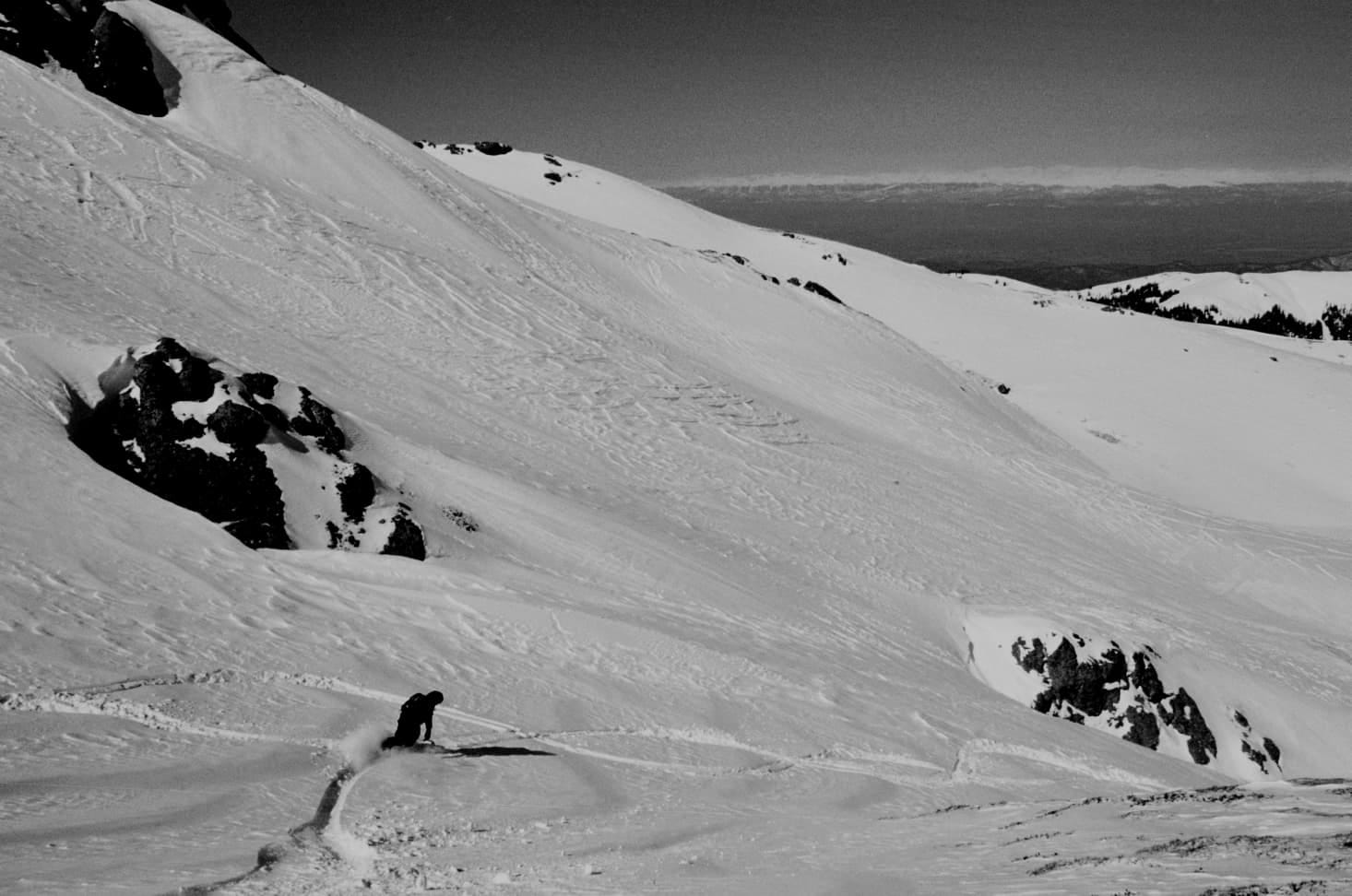
In those early years, ski touring and splitboarding kept numbers low. The turning point came when Schlutius opened Powder Project, Bakhmaro’s first catskiing operation.
As a mountain guide who’d set up his first ski touring, mountaineering and trekking businesses in 2009, Shota moved quickly. His Georgia Catskiing company began operating in the valley soon after.
Snowcats enabled pioneers such as Shota and Ingo to open up vast swathes of terrain, and made the valley viable as an international destination.
“That changed things,” as Shota says.
Before long, increasing numbers of a particularly intrepid type of skier and snowboarder began making the trip: unable to afford a once-in-a-lifetime splurge to, say, Baldface; and drawn by word-of-mouth about an affordable, beguiling powder paradise.
For Shota and Georgia Catskiing, growth was rapid.
“The business grew quickly, around 20% each year. But growth means challenges. I realised I couldn’t guide everything myself anymore. I had to build something bigger, bring in other guides, and scale it.”
Soon, Komakhidze and the valley’s other established operators faced the problems that can bedevil such scenarios: less scrupulous operators, lowering safety standards, and a shifting Overton Window of acceptable behaviour.
I’d seen something similar while surfing a reef called Gas Stations in Sri Lanka in February 2025. A quiet dawn session was suddenly flooded by beginners on foamies, their instructor pushing them into waves over the reef.
Later, over coffee, I asked my friend Ed, who runs an established outfit called Soul & Surf in Ahangama, how long this had been going on.
He grimaced. “Since last year. Lazy Left and Right (the area’s two beginner breaks) are so crowded that one of the surf schools started taking his lessons to the reef. Now everyone’s at it.”
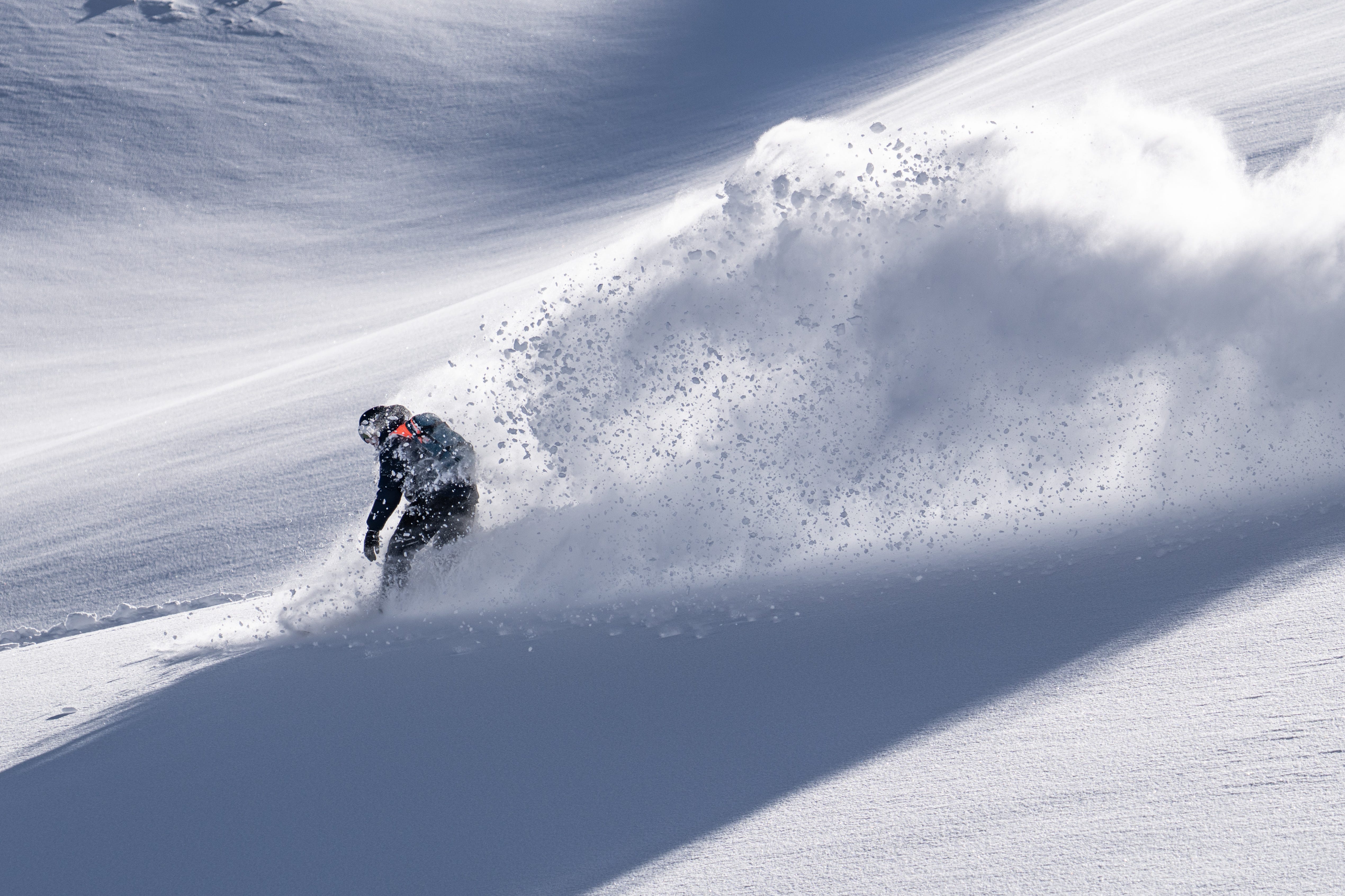
According to Shota, a new wave of ‘cowboy operators’ in Bakhmaro are already exerting a similarly unwelcome influence. Take the company that knocked up a website and lifted Georgia Catskiing’s pitch in a bid to siphon off their business.
This, it transpired, was the group that had scooted past us on that final morning — which helped explain Shota’s furious reaction.
“These people just want money,” he says. “They make a website, copy the name, and start selling. They’re cheaper. But they don’t think about safety or responsibility.”
For Shota, this is Bakhmaro’s doomsday scenario, especially given the very real avalanche risk in the valley.
“Mistakes out here mean serious problems. Some people don’t even have rescue equipment. There are people doing this without proper training. If something happens with an unlicensed guide, it’ll affect everyone.”
There’s also the question of capacity. By Shota’s reckoning, anything over 180 skiers and snowboarders on any given day and the valley will be maxed out.
“How many were on the hill during our week?” I asked.
“The busy day? Two hundred.”
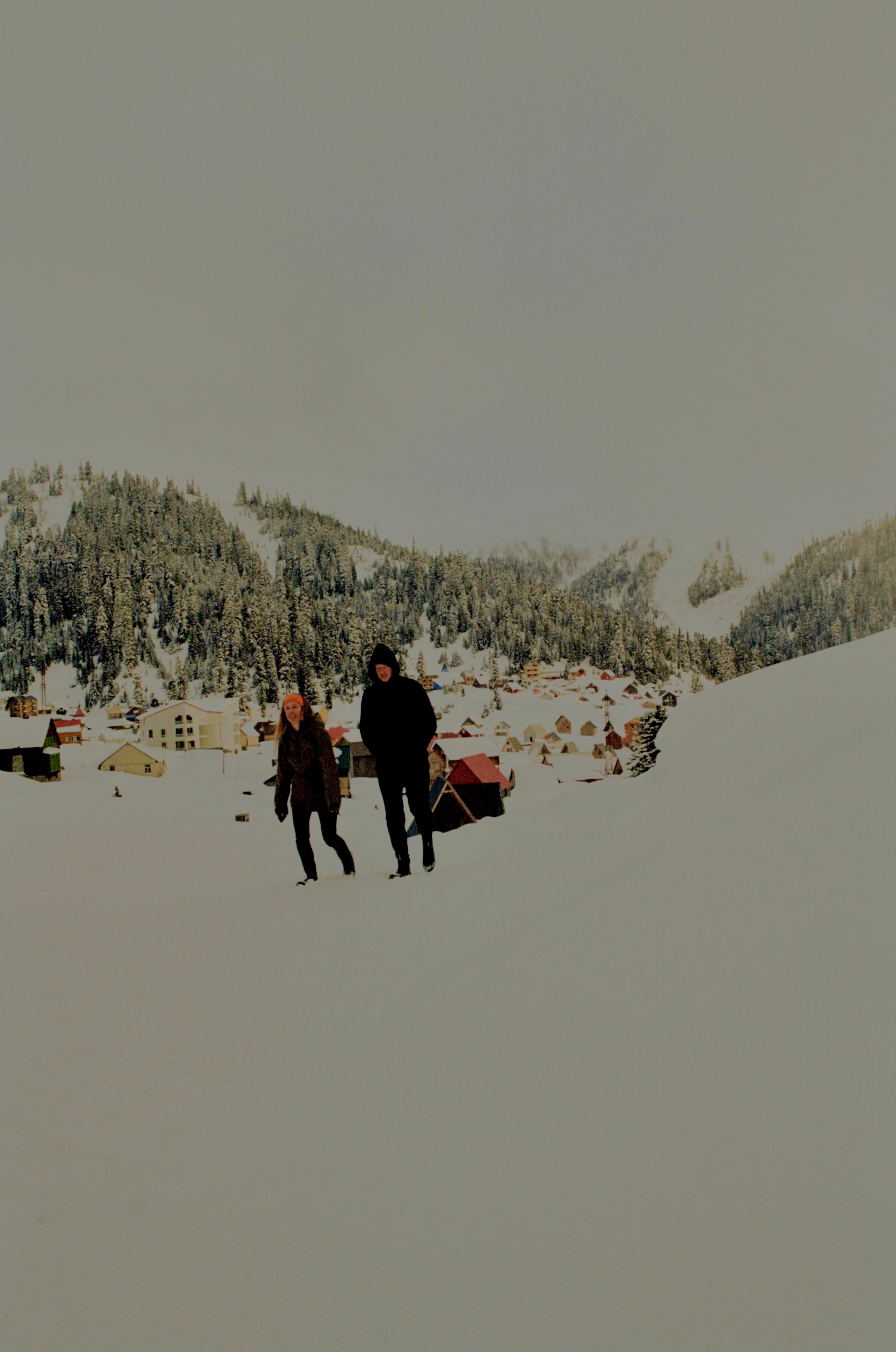
In grappling with this growth-or-management dilemma, then, Bakhmaro is facing the same juggle as countless other prized surf and snow destinations, from Kuta to Niseko.
That’s why Komakhidze is on a mission to ensure the valley avoids the same fate.
His plan is bold: devise a regulatory system based on existing European and North American models, adapted for Georgia, so that visitors choose certified, responsible operators.
“I want something sustainable. Regulation is essential,” he says. “We’re trying to introduce a licensing system with rules that only qualified operators can meet. That way only responsible companies can operate.”
Shota wants to shape, rather than stop, growth - ideally within the next two years. The first step is gathering data and developing guidelines that all operators in the valley must follow.
It’s a progressive idea, especially in a country without strong central control. Any regulation would require cooperation between government and the mountain guide association, and support from competing operators.
“It’s not easy, but there is some progress. The other companies understand that regulation is in everyone’s interest.”
Shota’s urgency is palpable. Without action, the fear is that the valley could become another Niseko: crowded, lucrative, but stripped of what made it special in the first place.
“We’ll earn money,” he says. “But the experience will be gone.”
Over the years I’ve been on countless travel press trips, and the deal is always PR at its most transactional: hosts provide the best possible time; you write the place up glowingly; they get more visitors.
So to be invited on a trip where the unspoken goal is “controlled, safe and sustainable” growth, as Komakhidze puts it, rather than unfettered, damn-the-local-consequences growth that can still be a huge part of the travel industry’s MO, makes a change.
And it’s here that Shota’s decision to invite journalists to the valley in the first place seems strategic, rather than contradictory. Driving the kind of cultural and regulatory change he’s after will require political will and leverage. And coverage in an outlet like The Times could certainly provide it.
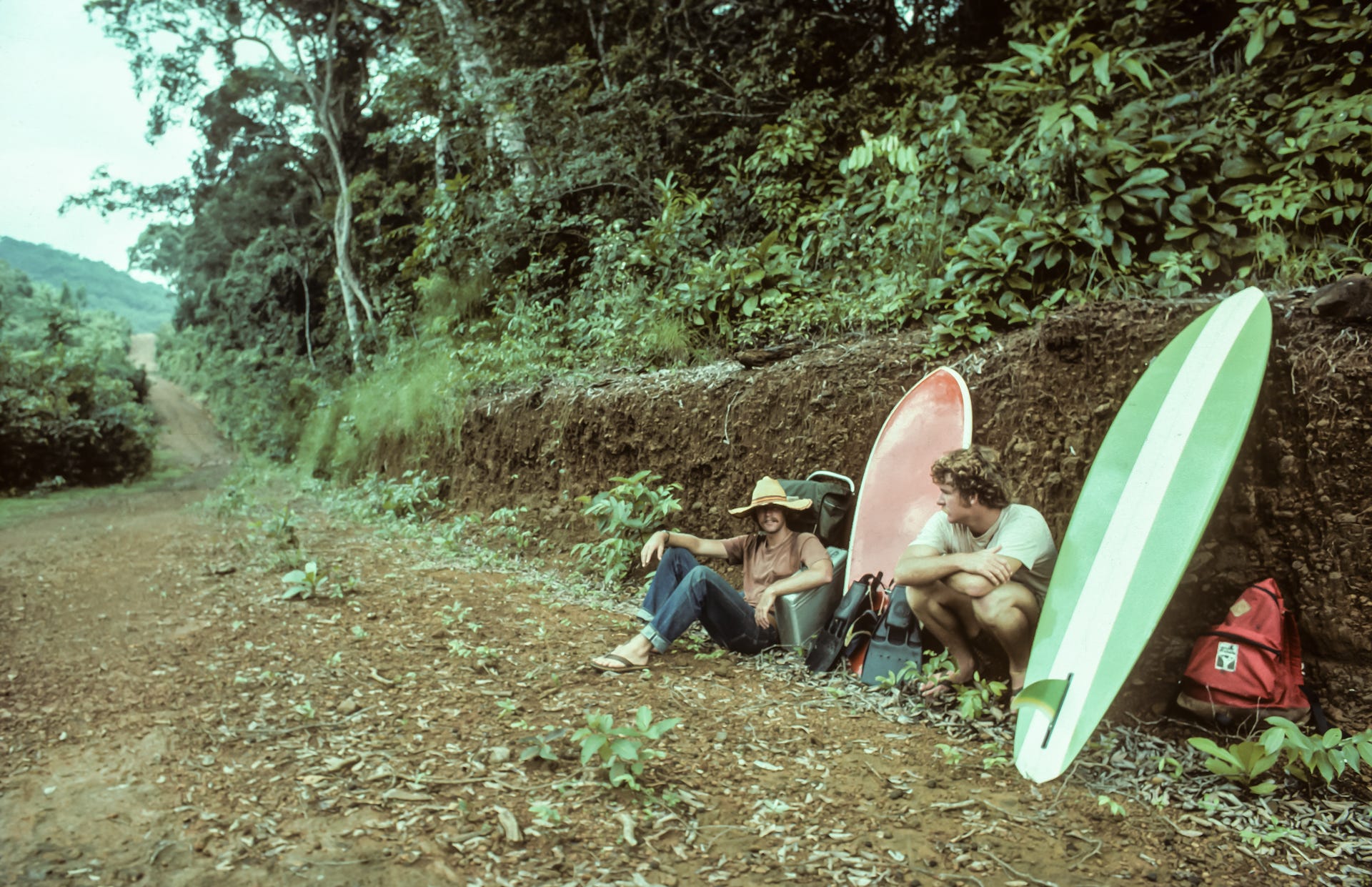
“We knew nothing. We were so naïve.” — Kevin Naughton, Looking Sideways, episode 077
In the end, my belated pilgrimage to Georgia was a reminder that the journeys we take in pursuit of scarcity shape the places we visit in ways that far exceed their influence on the romantic surf and snow stories we like to tell ourselves.
In Barbarian Days, Finnegan invokes Joseph Conrad - a writer who spent his life exploring these impacts and tensions on the grandest scale, in works like Heart of Darkness and, in this case, Lord Jim:
“We wander in our thousands over the face of the earth, the illustrious and the obscure, earning beyond the seas our fame, our money, or only a crust of bread; but it seems to me that for each of us going home must be like going to render an account.”
When I first read this passage, I assumed Finnegan was referring to the kind of ‘did-I-waste-my-life?’ pondering that comes to anyone who spent their twenties chasing waves or snow around the world.
But now I can see another interpretation: that the ‘account’ to be rendered from these trips also runs in the other direction, and in different ways — some negative, some positive.
The turns and memories I immortalised in an Instagram carousel and Reel (the one above) I edited on the plane home (and the “Looks insane! I’m gonna go there!” messages that followed) are one obvious manifestation.
But then: so is the local restaurant being squeezed out by a multinational, undercutting prices and shipping profits offshore.
Or, as in this case, a local operator grappling with the profit-versus-preservation conundrum as he attempts, Canute-like, to influence the course of ‘progress’ in the valley he loves.
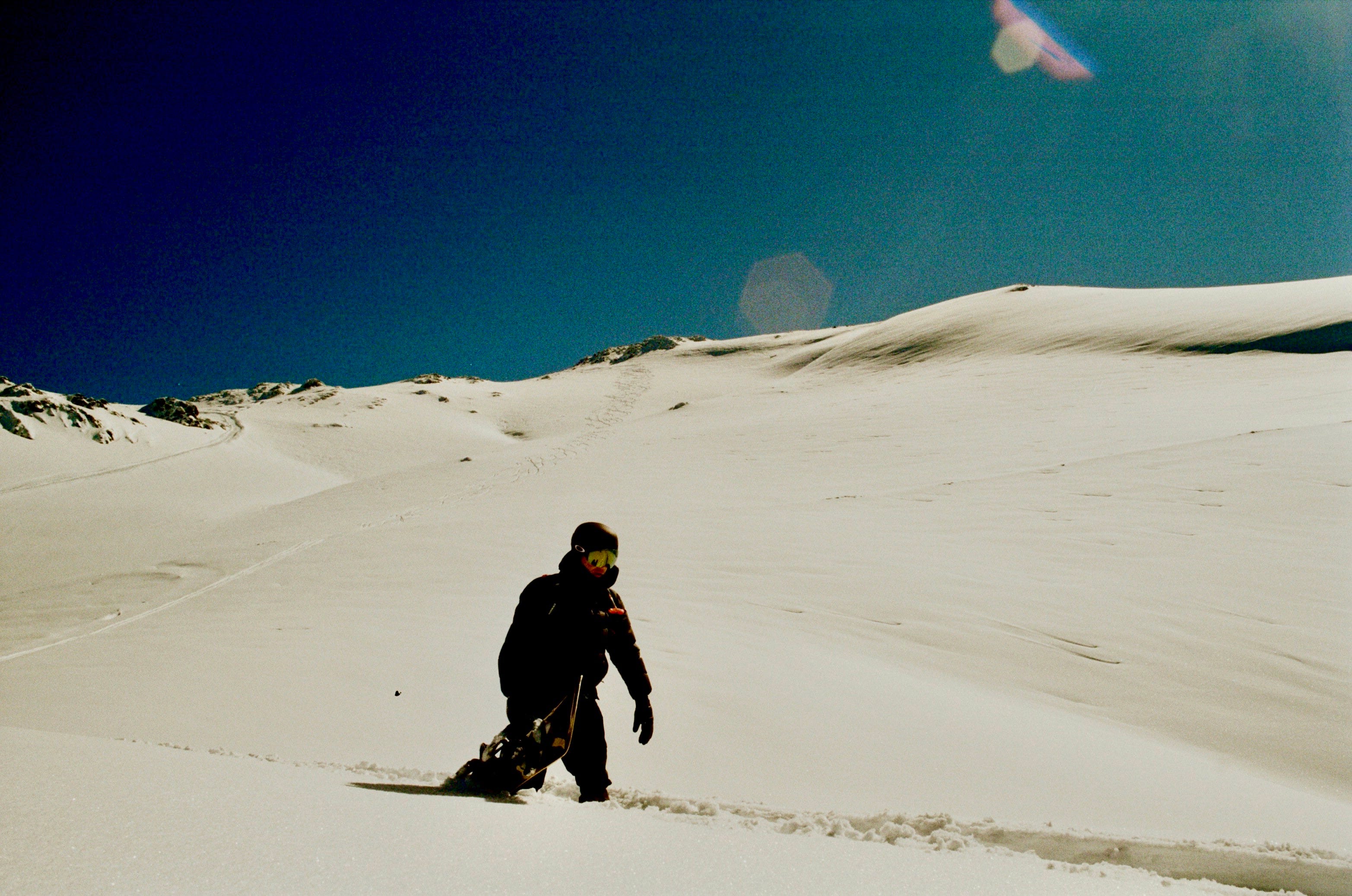
“We are adept at saying what we make of places but far less good at saying what places makes of us.” — Robert Macfarlane
So will Shota’s gambit work?
Infrastructure and regulation will certainly help.
But ultimately it will depend on us. And whether we can learn to see the places shaped by our search for scarcity as active participants in the stories we tell, as opposed to mere backdrops.
What a great piece and what important points. The quote "we will make money but the experience will be gone" could not be more relevant. I wonder if as well as scarcity, the draw to perceived frontiers helps people find what they couldn't get to or face about themselves 'back home' and that challenging, novel and almost magical adventures in surf and snow support a kind of self reconciliation process and "rendering of accounts". Nice one Matt!
It's so tricky isn't it. We want empty waves & mountains & for places to remain authentic/how they were when we first visited them but Georgia's a poor country so you can see why other operators are trying to get in on the act at Bakhmaro. It's like surf tourism in Morocco. Visiting surfers complain about how crowded it is and the scourge of surf schools but when I interviewed surf instructors for a piece on this very topic they were all so happy to be earning a living as surf coaches rather than farmers or fishers as their parents had done, esp at a time when youth employment is so high. But yeah there are ofc environmental costs to this growth and you don't want extractive multinationals taking the tourist money out of the country or to kill the golden goose of that tourism by making it so busy that the tourists stop coming or to make things so crowded that isn't safe. No easy answers